Honey Garlic Salmon (20-Minute One-Pan Recipe)

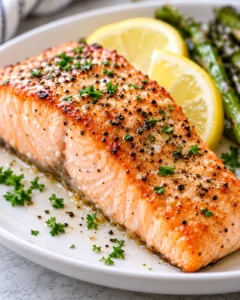
This honey garlic salmon is sticky, sweet, garlicky, and ready in about 20 minutes. The salmon cooks in one oven-safe skillet, so you get a tender center and a caramelized, slightly charred glaze without managing a separate pan of sauce.
The method is especially helpful if flipping delicate salmon filets makes you nervous. There is no pan-searing and no flipping in the recipe as written: season the fish, warm the sauce, baste it on the stovetop, then finish everything under the broiler. The sauce clings to the salmon as it cooks, creating a glossy coating with sweet and savory flavor, a little heat from sriracha, bright lemon, and delicate texture.
The recipe card makes four servings and lists 8 minutes of prep time, 10 minutes of cook time, and 18 minutes total. The introduction rounds that timing to about 20 minutes, which is a useful expectation for a weeknight dinner. Salmon also brings omega-3 fats, protein, and vitamins to the meal, making this an easy main dish to keep in a regular dinner rotation alongside other quick seafood favorites such as honey-lime shrimp or blackened tilapia bowls.
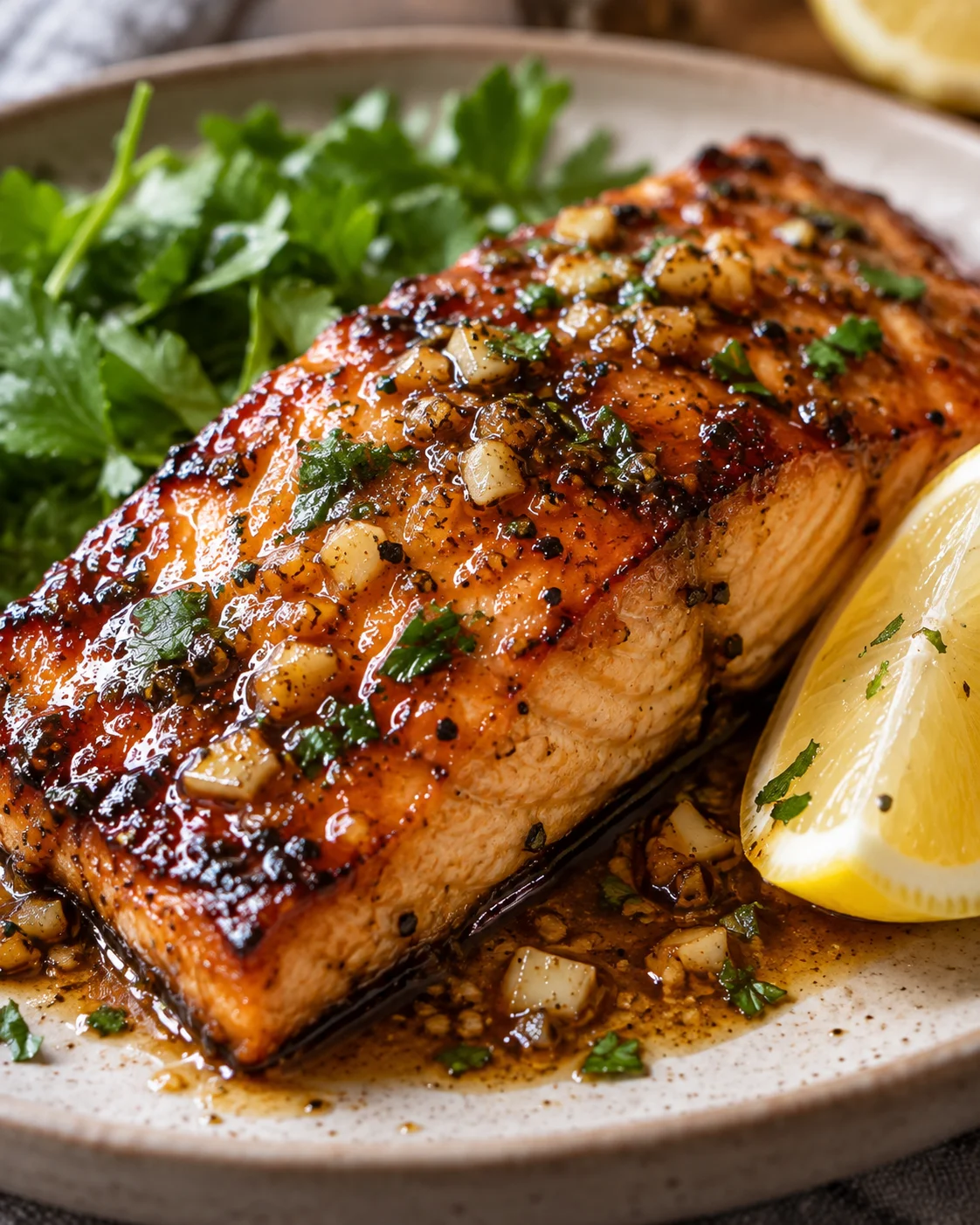
Why You Will Love This Honey Garlic Salmon
There are several reasons this honey garlic salmon works so well for a busy dinner. First, the ingredient list is short and familiar. Honey, garlic, soy sauce, lemon juice, and sriracha turn into a richly flavored glaze, while smoked paprika and optional blackening seasoning give the salmon a seasoned base before it ever reaches the broiler.
Second, the stovetop-to-broiler method keeps the fish in one piece. Instead of trying to slide a spatula underneath a tender filet and flip it, you cook the salmon skin-side down when skin is present, spoon sauce over the top, and let the broiler finish the job. The high heat concentrates the glaze on the surface and gives it the sticky, caramelized finish that makes this dish stand out.
Finally, the timing is practical. The fish cooks for just 3 minutes before a 5-to-6-minute broil, and the sauce is heated through in about 30 seconds before the salmon goes into the skillet. You can have a flavorful seafood dinner on the table with very little hands-on work, and the extra sauce in the pan is ready to spoon over each serving.
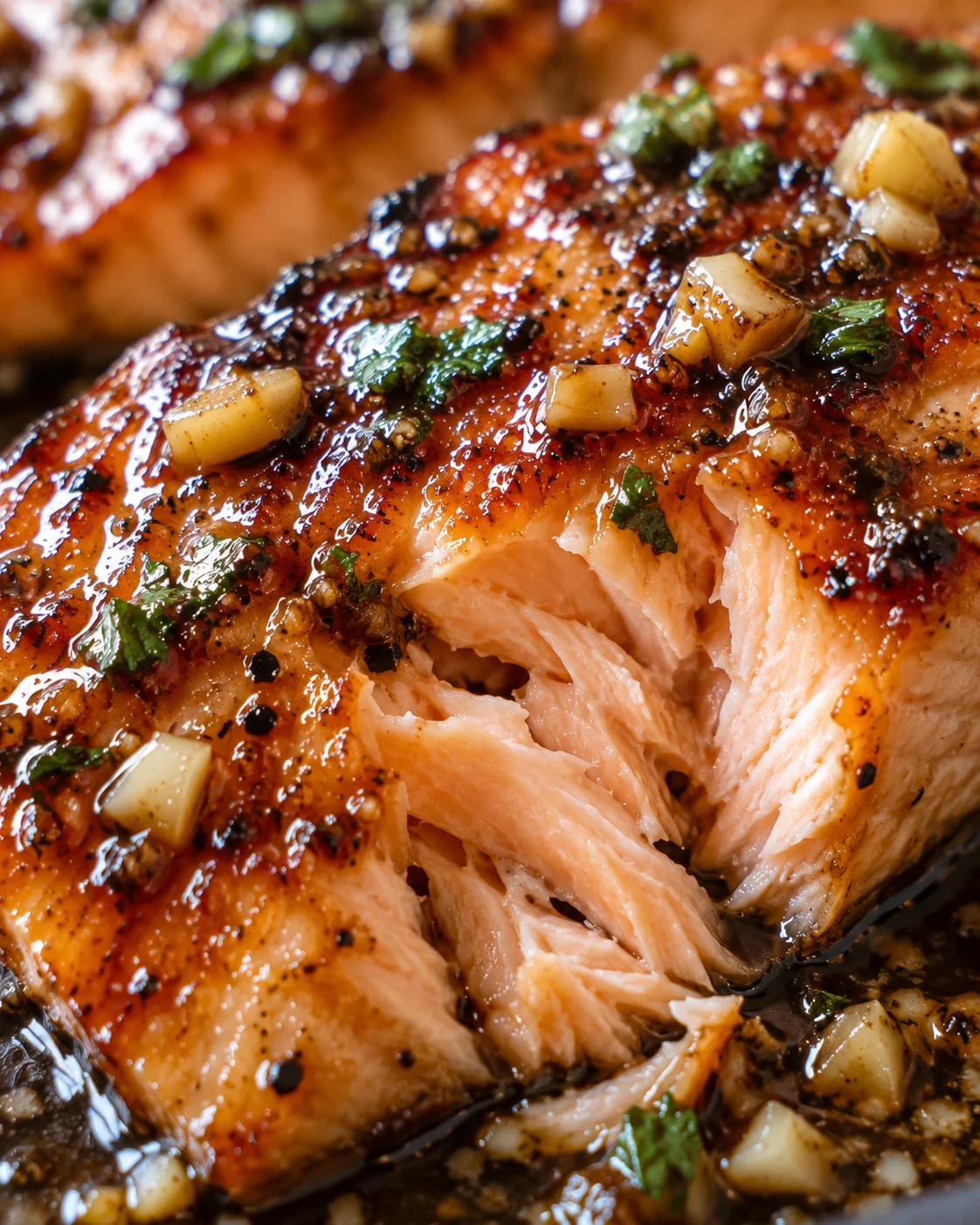
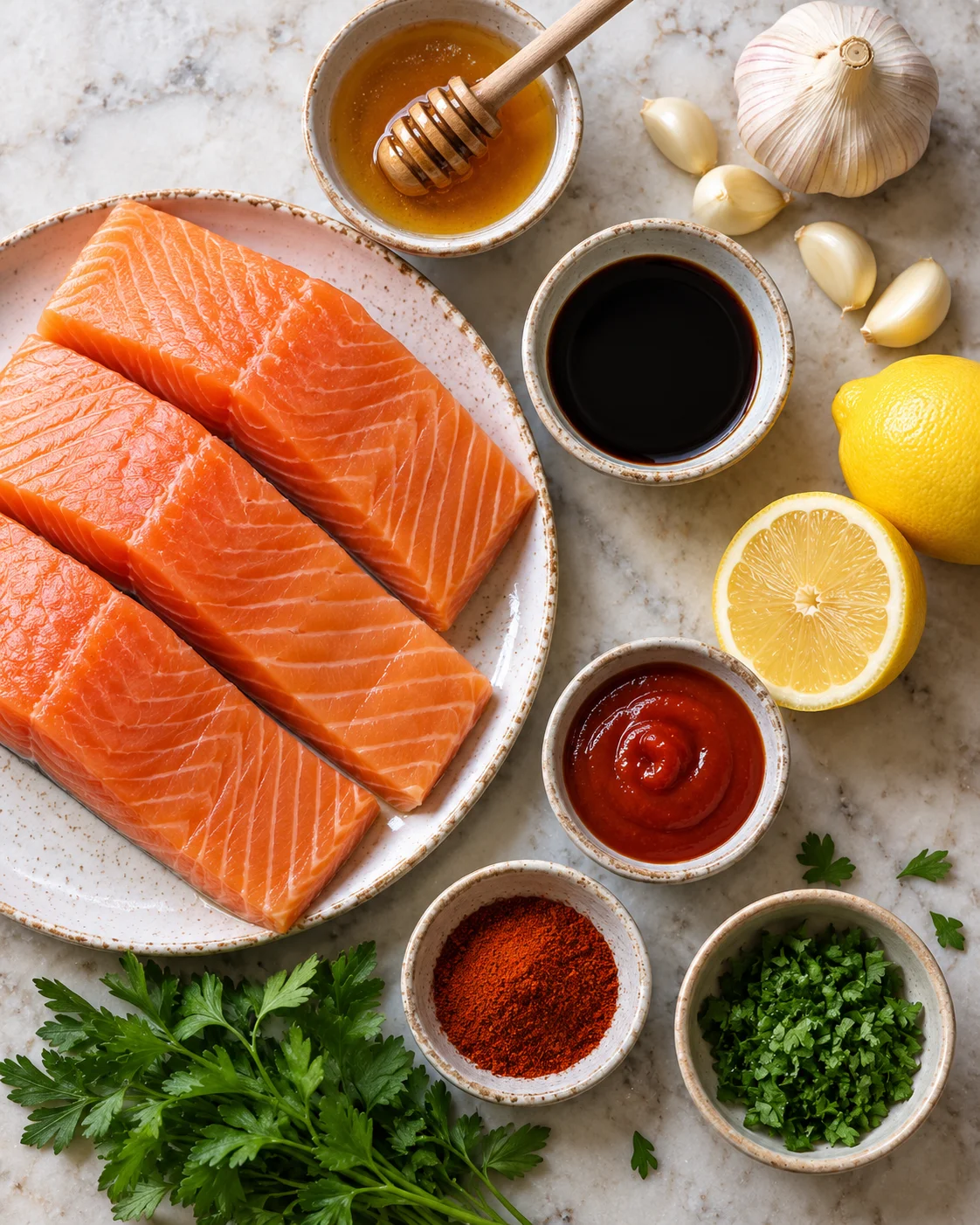
Ingredients
For the Salmon
- 4 (6-ounce each) salmon filets: Choose fresh salmon from the grocery store when possible. Filets with skin or without skin both work with this no-flip method.
- 1/2 teaspoon kosher salt: Seasons the fish before the sauce is added.
- 1/2 teaspoon black pepper: Adds a simple savory bite.
- 1/2 teaspoon smoked paprika, or regular paprika: Smoked paprika adds a deeper flavor, but regular paprika is an option.
- 1/4 teaspoon blackening seasoning, optional: Use it if you want the extra seasoned flavor; the salmon is still complete without it.
For the Honey Garlic Sauce
- 3 tablespoons butter: Forms the rich base of the skillet sauce.
- 2 teaspoons olive oil: Warms with the butter before the other sauce ingredients are added.
- 6 cloves garlic, minced: Gives the glaze its strong garlicky flavor.
- 1/2 cup honey: Supplies the sticky sweetness and helps the sauce caramelize under the broiler.
- 3 tablespoons water: Loosens the sauce so it can be spooned over the salmon.
- 3 tablespoons soy sauce: Adds savory, salty depth to balance the honey.
- 1 tablespoon sriracha sauce: Brings a gentle chile heat to the sweet glaze.
- 2 tablespoons lemon juice: Brightens the sauce and keeps the flavor from tasting flat.
For Finishing
- Minced parsley, optional: Sprinkle it over the salmon at the end if you want a fresh green garnish.
Equipment for This Recipe
Use a 12-inch-wide skillet that is safe for both the oven and the broiler. That combination is essential for this one-pan recipe because the sauce and salmon move directly from the stovetop to the broiler without being transferred to another dish. A wide skillet also gives four filets room to sit in the sauce.
You will also need a spoon for basting. If you want the most cautious doneness check, keep an instant-read thermometer nearby so you can check the thickest filet before serving.
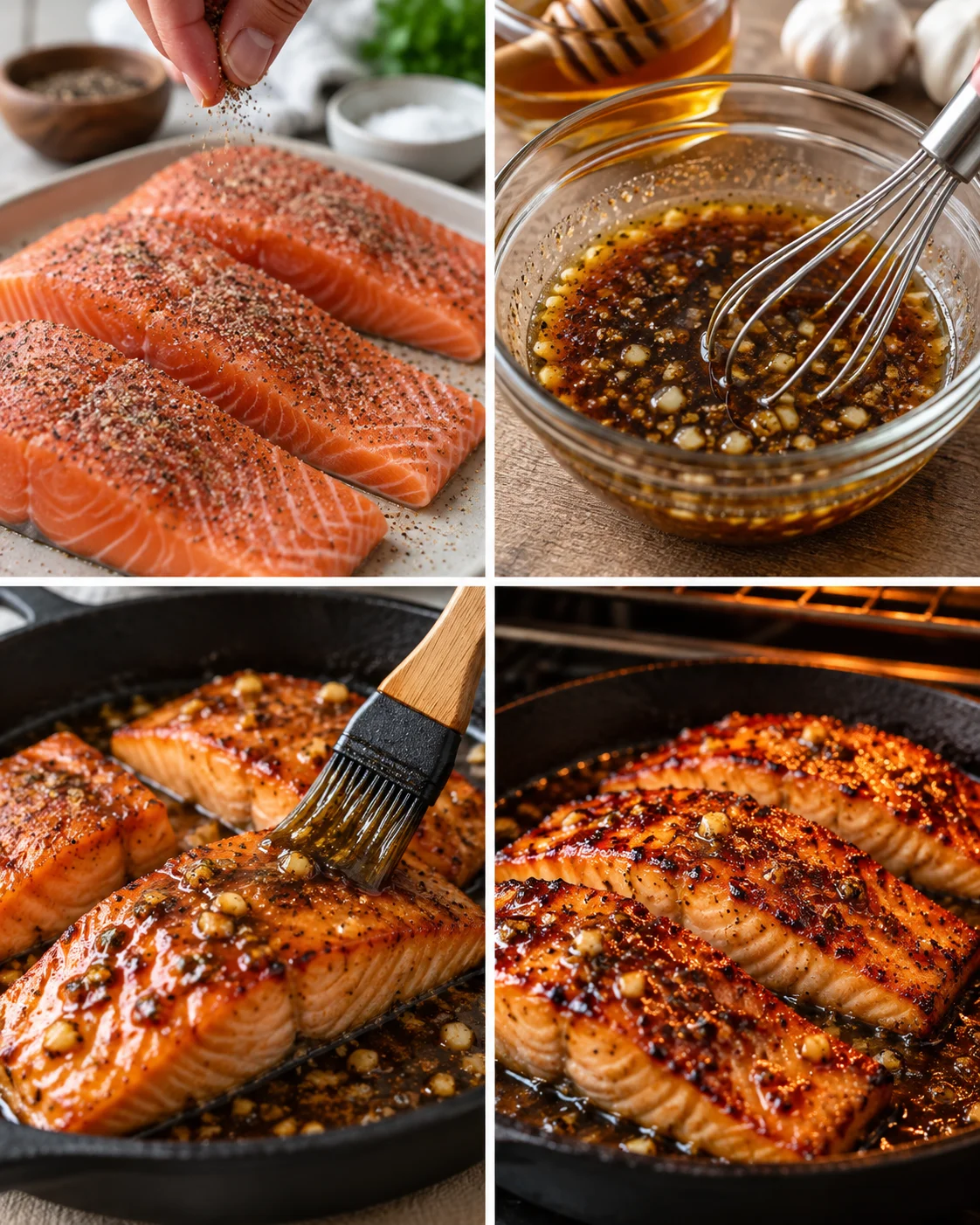
How to Make Honey Garlic Salmon
1. Season the salmon
Pat the salmon filets dry with paper towels. Season all sides with the kosher salt, black pepper, smoked paprika or regular paprika, and blackening seasoning if you are using it. Set the seasoned filets aside while you prepare the oven and skillet.
Drying the surface first helps the seasoning stay on the fish and avoids adding unnecessary moisture to the hot skillet. The filets do not need a marinade because the honey garlic sauce supplies the main flavor and the fish will be basted as it cooks.
2. Set up the broiler correctly
Adjust the oven rack to the middle position, then preheat the broiler on high. This step is important, not optional. If the rack is positioned too high, the honey-based sauce can burn before the salmon reaches your desired doneness. A high broiler may be set to 550 degrees F, although oven settings vary.
3. Heat the sauce in the skillet
Add the butter and olive oil to a large, oven-safe skillet over medium-high heat. Once the butter has melted, add the minced garlic, water, soy sauce, sriracha, honey, and lemon juice.
Cook the sauce for about 30 seconds, or until it is heated through. It does not need a long cooking period at this stage. Keep the skillet on the stovetop so the salmon can go directly into the warm sauce.
4. Cook and baste the salmon
Add the salmon filets to the skillet. If the filets have skin, place them skin-side down. Cook for 3 minutes. While the fish cooks, use a spoon to baste the tops frequently by lifting sauce from the pan and spooning it over each filet.
As written, the filets stay in place during this step. There is no need to flip them on the stovetop. The goal is to coat the salmon with the warm honey garlic sauce before the broiler gives the surface its final caramelized finish.
5. Broil until caramelized
Move the skillet to the middle oven rack and broil the salmon on high for 5 to 6 minutes. Baste the filets with sauce once during the broil. When the fish is ready, the glaze should look sticky and caramelized with a little char, and the salmon should be cooked to your desired doneness.
For the safest doneness check, the USDA recommends cooking salmon to an internal temperature of 145 degrees F. Check the thickest part of a filet with a thermometer. People have different preferences, much as they do with steak, but using the USDA recommendation is the cautious choice.
6. Garnish and serve
Carefully remove the hot skillet from the oven. Garnish the salmon with minced parsley if desired, then spoon the honey garlic sauce over the filets as you serve them. Keep the filets intact for a simple presentation, or divide them into portions at the table.
Tips for Success
- Choose thick, fresh filets when possible. Fresh grocery-store salmon is preferable to frozen filets sold in bags, which can tend to be very thin. Thicker, evenly sized filets are easier to cook consistently.
- Buy salmon close to when you will use it. Salmon can go off quickly, so plan to buy it no more than 1 day ahead of time. Keep it refrigerated until you are ready to cook.
- Do not put the rack too high. Middle-rack broiling protects the honey glaze from burning. This is the most important equipment adjustment in the recipe.
- Baste while the fish cooks. Spoon the sauce over the filets frequently on the stovetop, then once during the broil. This keeps the sauce in contact with the salmon and builds the glazed surface.
- Watch the narrow window between undercooked and overcooked. Salmon can dry out quickly when it goes too far, so start checking near the end of the broiling time rather than relying on color alone. The USDA’s 145 degrees F recommendation is the safest reference point.
- Skin is optional for this method. The recipe works whether your filets have skin or not. If you pan-sear salmon another time, skin-on filets are helpful because the skin protects the flesh from the hot pan and makes it easier to slide a spatula underneath once crisp.
- Use the right pan. A 12-inch skillet that is both oven-safe and broiler-safe is a must for keeping this recipe to one pan. Confirm the manufacturer’s instructions before putting any skillet under the broiler.
- Adjust a sauce that seems watery. If the sauce is thinner than you want, reduce the amount of water or let the sauce simmer briefly before adding the salmon. The glaze should be easy to spoon but able to cling to the fish as it cooks.
Variations and Substitutions
Use the pan-seared method
If you prefer a more traditional sear, season the salmon as directed and pan-sear it in the skillet. Flip the filets and sear the other side, then remove the salmon to a plate. Add the sauce ingredients to the skillet and cook until the sauce is warmed through. Return the salmon to the pan and spoon the sauce over the top.
This alternate method does require flipping, unlike the recipe’s broiler-first finish. It is useful when you want more direct contact with the pan, but handle the tender filets carefully so they stay intact.
Make the lemon flavor bolder
Add lemon zest to the sauce for a more pronounced lemon flavor. You can also add a few lemon slices to the pan while the salmon cooks and broils. The original sauce already includes lemon juice, so these additions build on that bright flavor rather than changing the recipe’s basic direction.
Swap lemon for lime
Use lime juice in place of the lemon juice for a slightly different citrus flavor. This is a simple way to change the character of the glaze while keeping the same honey, garlic, soy sauce, and sriracha base.
Finish with green onions
Top the finished salmon with sliced green onions for another flavor twist. You can use them with or instead of the optional minced parsley garnish.
Choose your paprika seasoning
Use smoked paprika or regular paprika according to what you have. The blackening seasoning is optional, so leave it out when you want the honey garlic and lemon flavors to be the main focus.
Storage, Make-Ahead, and Leftovers
This honey garlic salmon tastes best when it is made right before eating. The broiled glaze is at its most appealing while it is warm, sticky, and freshly caramelized. To get a head start, whisk the sauce ingredients together ahead of time and keep the prepared sauce ready for cooking.
The finished salmon is also good cold on top of a salad. If that is how you plan to use it, you can make the salmon a few hours to a day ahead of time and chill it before serving. The cooler fish and sweet-savory glaze work well as a salad topping.
Refrigerate any leftovers in an airtight container and consume them within 3 days. Since the recipe is best fresh, prepare only the amount you expect to eat if you are not planning to use leftovers on salad.
Serving Suggestions
Serve each salmon filet with plenty of the honey garlic sauce spooned over the top. The glaze brings together the butter, honey, garlic, soy sauce, sriracha, and lemon, so it works as both the cooking sauce and the finishing sauce. Add minced parsley or sliced green onions for a simple garnish.
This recipe makes four 6-ounce portions, which makes it a practical weeknight main dish or a seafood option for a small gathering. It also fits an easy dinner rotation with other straightforward mains. When you want a chilled meal instead, flake or slice the leftover salmon and place it over a salad within the three-day storage window.
Frequently Asked Questions
Do I need to flip the salmon?
No. The recipe as written does not require pan-searing or flipping. Add the filets to the warm sauce, cook them for 3 minutes while basting, and finish them under the broiler. The separate pan-seared variation does require flipping the salmon to sear the second side.
Can I use salmon with the skin on?
Yes. Place skin-on filets skin-side down in the skillet. Skinless filets also work, so choose whichever you prefer. Skin is especially useful for a conventional pan sear because it protects the flesh from the hot pan and gives a spatula a firmer surface to slide beneath once crisp, but it is not essential for this broiler-finished recipe.
Why does the oven rack need to be in the middle?
The honey-based sauce can burn if it is too close to the broiler. Adjust the rack to the middle position before preheating, then broil on high from there. A high broiler may be set to 550 degrees F.
How do I know when the salmon is done?
Use an instant-read thermometer in the thickest part of a filet and follow the USDA recommendation of 145 degrees F for salmon. The recipe also allows cooking to your desired doneness, since preferences vary, but the temperature recommendation is the safest reference point. Begin checking near the end of the 5-to-6-minute broil so the fish does not overcook.
What should I do if the sauce is watery?
Reduce the amount of water next time, or simmer the sauce briefly before adding the salmon. The sauce should be warm and spoonable, with enough body to cling to the filets during basting and broiling.
Can I prepare honey garlic salmon ahead of time?
You can whisk the sauce ahead of time, but the salmon is best when made right before eating. If you plan to serve it cold over a salad, prepare it a few hours to a day ahead and refrigerate it. Store any leftovers in an airtight container and eat them within 3 days.
Can I use lime instead of lemon?
Yes. Replace the lemon juice with lime juice for a slightly different citrus flavor. For a bolder lemon version, add lemon zest or a few lemon slices to the skillet while the salmon cooks and broils.
Nutrition
The recipe card lists 481 calories per serving. Nutritional information is an estimate rather than a guarantee, and calorie values can vary depending on the brands and ingredients used.