Baked Cod with Lemon: Moist, Tender, and Ready in 15 Minutes

This baked cod is a simple, bright seafood dinner with a short ingredient list and a wonderfully tender finish. Lemon juice lifts cod’s mild flavor, olive oil helps keep the fillets moist, and a few dashes of cayenne add just enough heat to keep things interesting.
From start to finish, the recipe takes about 15 minutes: 5 minutes to prepare and about 10 minutes in the oven. It makes two servings, which is just right for a quick weeknight meal, but the method is simple enough to keep in your back pocket whenever you find good cod at the market.
The most important part is not complicated seasoning. It is starting with completely thawed fish, drying the surface well, and taking the cod out as soon as it is opaque and flakes easily. Those cues can help the fish stay firm, flaky, and delicately textured instead of turning dry and rubbery.
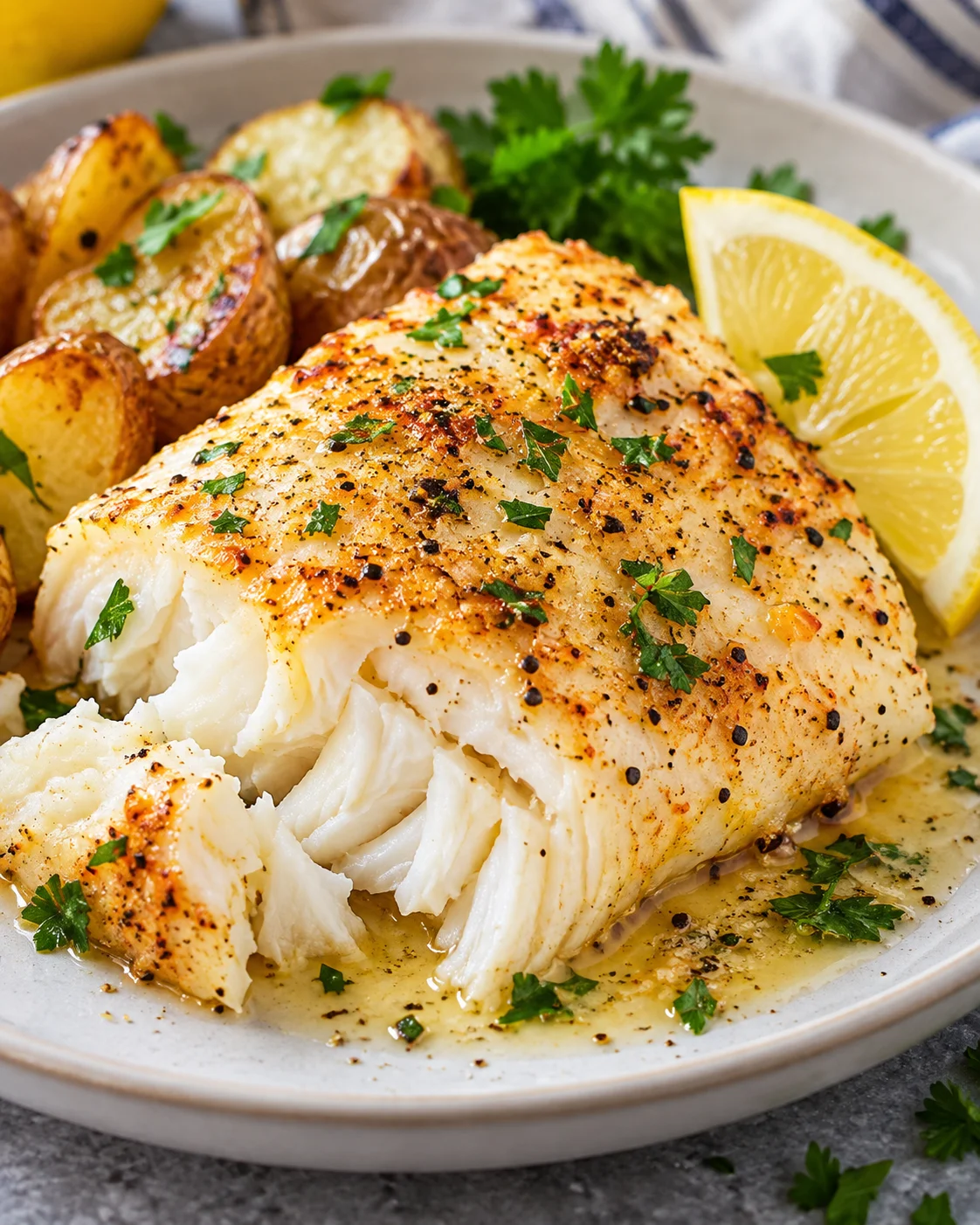
Quick Recipe Overview
- Prep time: 5 minutes
- Cook time: 10 minutes, with the exact time depending on thickness
- Total time: 15 minutes
- Yield: 2 servings
- Temperature: 400°F (205°C)
- Method: Oven baked
- Flavor: Zesty lemon, mild cod, and a hint of heat
- Difficulty: Very easy
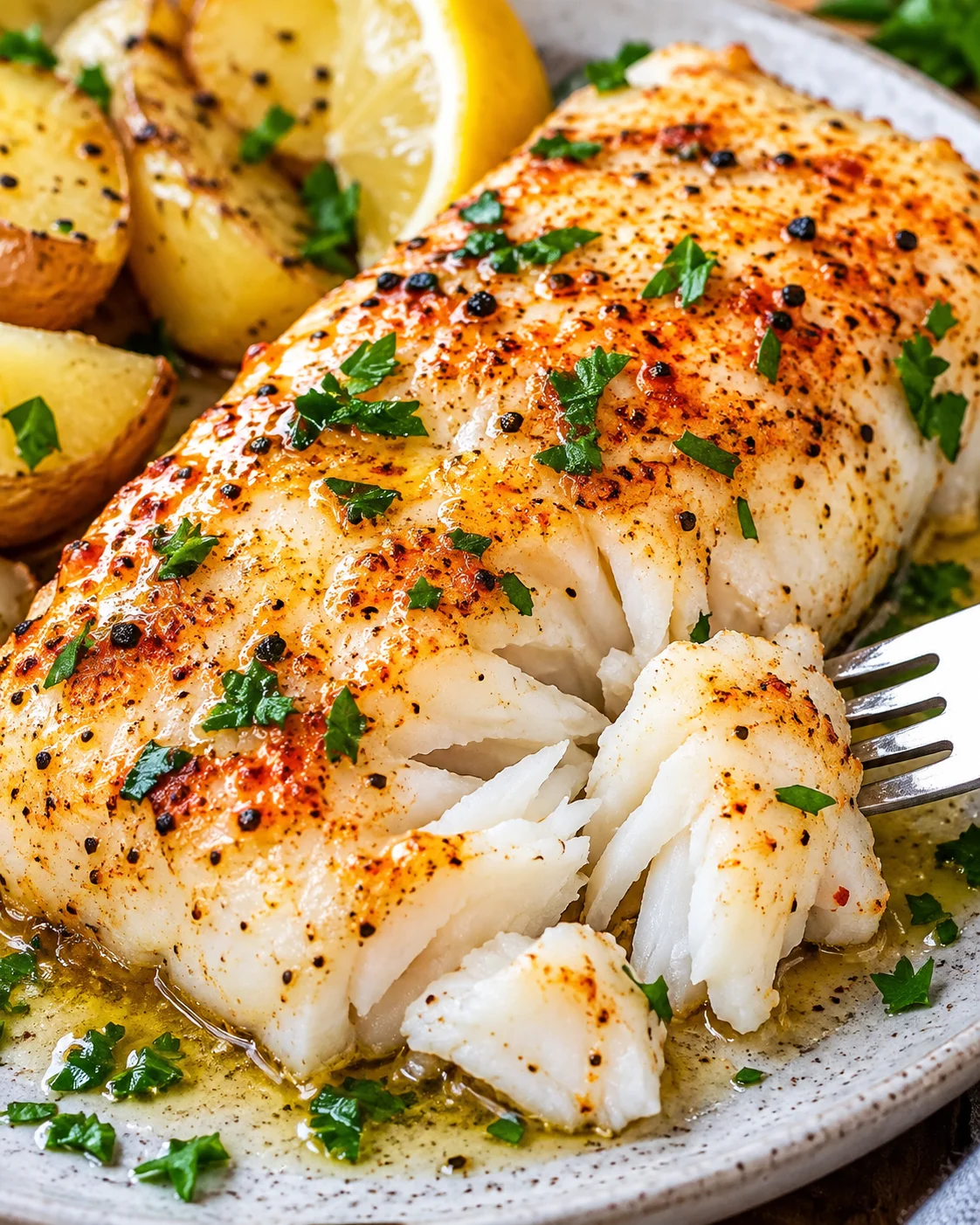
Why You’ll Love This Baked Cod
There is a lot to like about this baked cod when dinner needs to be easy. The main seasoning stays light so the mild, delicate flavor of the fish remains at the center. Cod is often described as non-fishy, and its lower oil content and gentle flavor make it a comfortable choice for anyone easing into seafood.
Its mild, delicate character also makes cod a natural fit for the same easy-cooking rotation as swai fish and tilapia. When you want a quick seafood dinner but are not making baked salmon, this lemon-seasoned cod offers another simple option with a firm, flaky texture.
The core combination is wonderfully uncomplicated. Lemon juice adds acidity and brightness, olive oil contributes a subtle earthy or lightly nutty note while helping the fish retain moisture, and cayenne pepper brings a small kick. Salt brings the flavors together, and chopped parsley gives the finished fillets a fresh-looking finish.
Cod is a lean protein source that is low in calories and high in essential nutrients, making it a practical centerpiece for a simple seafood meal.
Although the finished dish tastes considered, the work is minimal. The recipe has only two cooking steps: season the fillets, then bake and garnish. Prep can take as little as 5 minutes, and the cod is ready to serve after about 10 minutes in the oven. That makes it especially useful on a busy weeknight when you want something warm and satisfying without a long prep list.
The result should be moist, juicy, tender, and flaky, with a firm but delicate texture. It is also a naturally simple choice for a gluten-free, lower-carbohydrate meal based on the listed ingredients, and the nutrition information lists approximately 286 calories per serving. If you are planning a keto-friendly dinner, this preparation fits that style of eating as written.
This recipe has been associated with more than 1,000 reviews and a 4.6-star rating. A cooking video is also available as a visual step-by-step guide, which can be useful if you prefer to see the preparation and baking sequence before you begin.
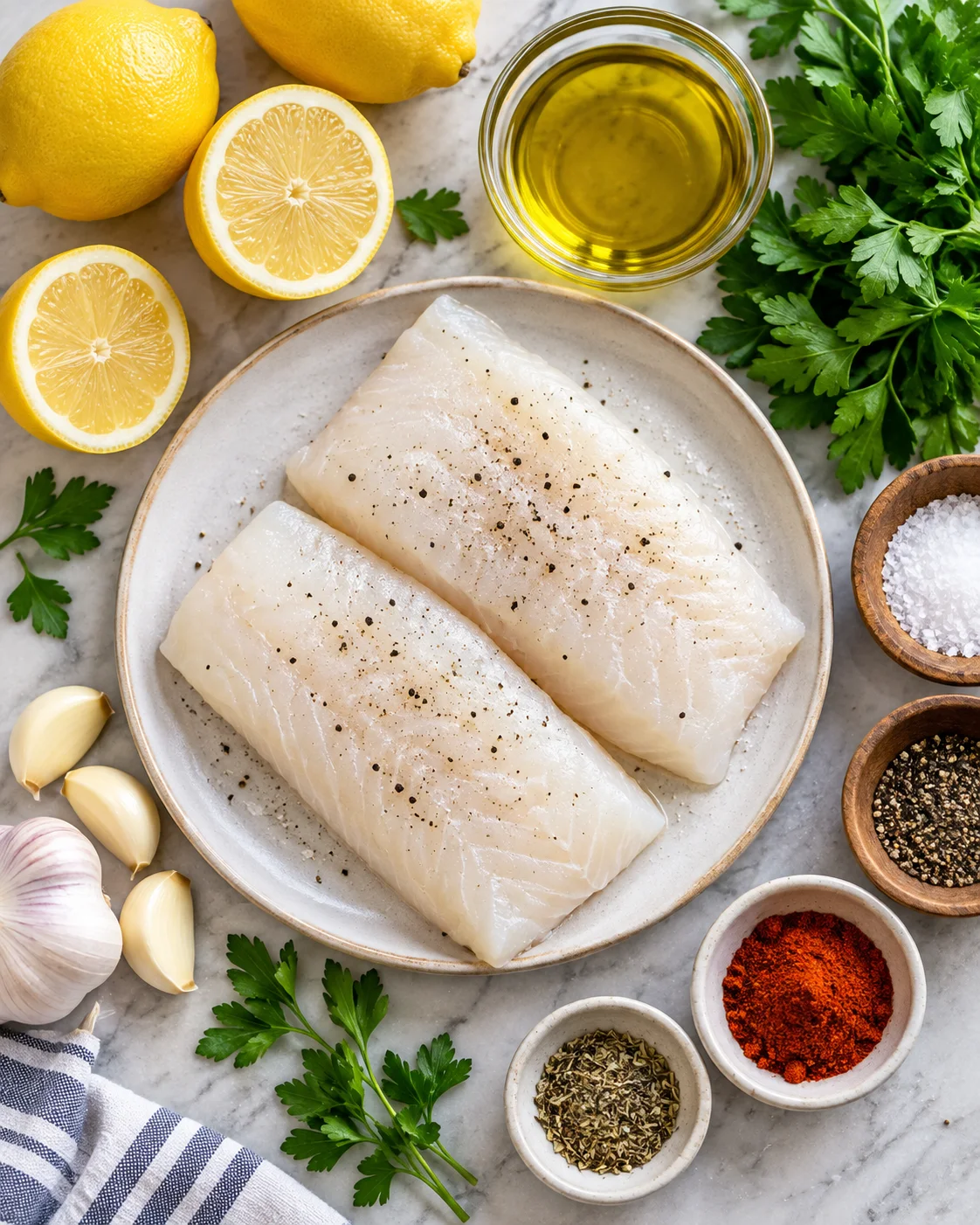
Ingredients for Baked Cod
This recipe uses six simple ingredients. Four build the main flavor of the dish—cod, olive oil, lemon juice, and cayenne—while salt seasons the fish and parsley finishes it.
- 1 lb cod fillets or cod loins, rinsed and patted dry: Fresh cod is a good choice for texture and flavor. Frozen cod works too, as long as it is completely thawed before baking. Skin-on cod can also be used.
- 1/4 teaspoon salt: A small amount seasons the fish without covering up its mild flavor.
- 1 tablespoon freshly squeezed lemon juice: Lemon adds a clean, bright acidity that lifts the cod.
- 3 dashes cayenne pepper: This adds a little heat. For a milder change in flavor, smoked paprika may be used instead of cayenne.
- 1 1/2 tablespoons olive oil or extra-virgin olive oil: The oil coats the fillets, helps retain moisture, and adds a subtle earthy flavor. Extra-virgin olive oil brings a slightly fruity, earthy taste.
- 1 tablespoon chopped parsley: Sprinkle it over the baked cod just before serving.
Choosing Fresh or Frozen Cod
Both fresh and frozen cod work for this recipe. In the United States, much of the cod sold in stores is frozen soon after it is caught. Fresh Atlantic cod that has never been frozen may be available at fish markets near the coast or at specialty seafood stores, but it is not equally accessible everywhere. If you live in New England or another coastal area, ask local fishmongers what fresh cod is available.
One shopping detail is worth keeping straight: sablefish, which is sometimes marketed as black cod or Alaska cod, is not actually part of the cod family. For a familiar cod texture in this recipe, look for cod fillets or cod loins.
How to Thaw Frozen Fish
Thaw frozen cod in the refrigerator overnight to help the fish keep a nice, flaky texture. When you need it sooner, place the sealed fish in a bowl of cold water for 30–45 minutes. Do not thaw the fish on the counter, where it can become mushy.
Once the fish is thawed, pat it very dry with paper towels. Removing the excess surface moisture is a small step with a big payoff: the fish is less likely to release cloudy “fish water” as it bakes.
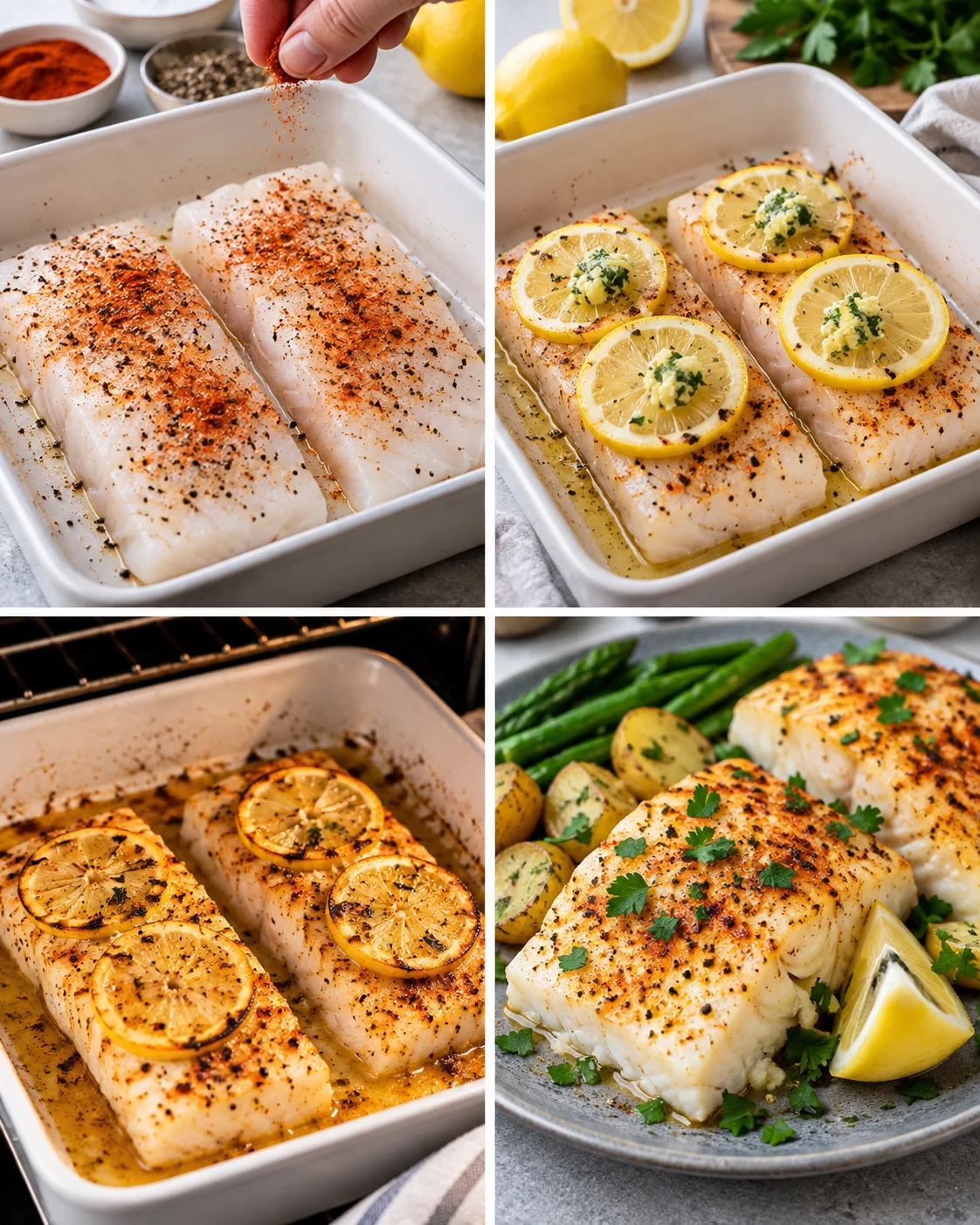
How to Make Baked Cod
Before seasoning, make sure the fish is fully thawed and patted dry. If you bake cod straight from the freezer, the finished texture can be dry, tough, and rubbery. A glass baking tray is recommended because it retains heat and helps food cook evenly. Cover the tray with a piece of aluminum foil before baking to help keep the fillets moist.
- Season the cod. Preheat the oven to 400°F (205°C) and arrange the cod fillets on a baking tray. For the optional moisture-prevention step, rub both sides of the fillets with a generous amount of extra-virgin olive oil and let them sit for 5 minutes. Then add the freshly squeezed lemon juice, salt, and cayenne pepper. If you are not using that optional wait, drizzle the olive oil over the fish and immediately follow it with the lemon juice, salt, and cayenne pepper.
- Bake and garnish. Place the tray in the oven and bake the cod for about 10–12 minutes. The exact time depends on the thickness of the fillets. When the fish is ready, sprinkle the chopped parsley over the top and serve immediately.
The short method is the reason this recipe works so well for a busy evening, but the timing still needs your attention. A regular fillet generally takes 10–12 minutes at 400°F (205°C). If you are baking a thicker cod loin, extend the time by a maximum of 1–2 minutes, checking the fish closely as it nears the end of that range.
How to Tell When the Cod Is Done
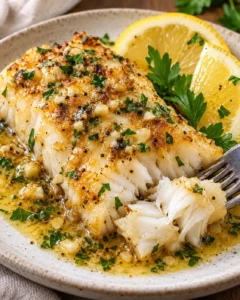
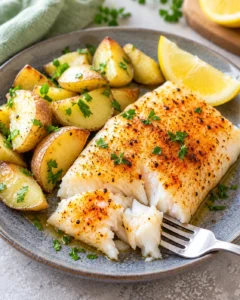
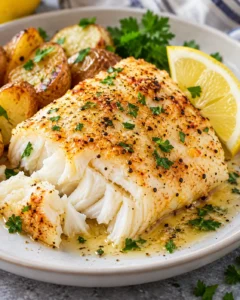
When cod is cooked through, it turns opaque white and flakes easily with a fork. It should look plump and fleshy, with a slight shimmer rather than a dull, chalky center. The surface should not be split by cracks. If the flakes separate into large, moist pieces with just a little pressure, the thickest section is ready.
If the center still looks jelly-like and the flakes cling together, give the fish 1 more minute and check again. You can also watch the edges of the thickest part of the fillet. When small white beads begin appearing there, take the tray out; the residual heat will continue cooking the center while the fish rests.
Do not overbake the fillets. Cod that breaks apart with a crack, looks flat and chalky in the center, or has a thick coating of albumin has likely spent too long in the heat. A little white, cloudy albumin—the protein that can leak from fish during cooking—is normal and can signal that the cod is nearing the finish line. A thick coating is a sign that the heat was too high or the fish stayed in too long, squeezing moisture from the muscle fibers.
Tips for Moist, Tender Cod
Cod is lean and delicate, so the goal is to cook it just through while keeping its natural flavor in focus. These practical details help you do that.
- Dry the fish thoroughly. Use paper towels until the fillets are bone dry before seasoning. A damp surface creates steam in the oven; instead of roasting gently, the fish can steam in its own juices and leave you with a soggy bottom.
- Use a glass baking tray when available. Glass retains heat well and may help the food cook evenly.
- Cover the tray with foil. A piece of aluminum foil over the baking tray helps the cod stay moist, tender, and juicy as it bakes.
- Give the oil time to help. For extra protection against dryness, drizzle and rub both sides of the cod with a generous amount of extra-virgin olive oil. Let the fillets sit for 5 minutes before adding the other seasonings. This step is optional and may help the fish stay moist and juicy. If you do not have extra-virgin olive oil, use a little more regular olive oil.
- Keep the seasoning light. Lemon juice cuts through any fishy taste, olive oil adds a subtle nutty nuance, and cayenne brings distinct heat. Heavy seasoning can overwhelm the fish’s mild flavor.
- Use thickness as your timer. The 10–12 minute range is a guide for regular fillets, and each piece may cook a little differently. A thicker loin may need only 1–2 additional minutes, so begin checking instead of automatically baking longer.
- Use the fork twist test. If you do not have a thermometer, gently twist a fork in the thickest part. Large, moist flakes that separate with slight pressure are what you want. Jelly-like flakes that still stick together need another minute.
How to Avoid Watery Baked Cod
There are two visual ideas to remember: the bone-dry surface and the albumin warning. Patting the fish completely dry keeps excess surface water from turning into steam. Then, while the fish cooks, use the amount of white albumin as a cue rather than ignoring what is happening on the fillet. Think of a small amount as a two-minute warning that the cod is nearing done.
- A little albumin: Normal. It means the cod is getting close to done.
- A thick albumin coating: A warning that the heat may be too high or the fish may have stayed in the oven too long. The muscle fibers have tightened and pushed out more moisture.
- White beads around the edges: A cue to remove the tray, even if the very center is still slightly translucent. Residual heat can finish the cooking while the cod rests.
- Opaque, lightly shimmering flesh: The color and texture to look for. A dull, flat, chalky center points to overcooking.
Variations and Add-Ins
Keep the lemon, olive oil, salt, and cayenne combination for the baked preparation, or use one of these approaches when you want to change the cooking method or flavor direction.
Shallow Poaching
Season the fish as directed, begin cooking it on the stovetop, and finish it in the oven. Shallow poaching combines moist and dry heat in one pan and is a technique commonly used in restaurants.
Pan-Frying
Pan-fry the cod with melted unsalted butter, making sure both sides cook evenly. Finish it with a favorite sauce such as lemon-butter or tomato-basil, and look for the same opaque, flaky texture described in the baked method.
Steaming
For a traditional Chinese-style approach, steam the cod in a steamer. The light flavor of the fish remains prominent with this method. A splash of soy sauce and chopped scallions are the suggested finishing touches.
Stir-Frying
For ginger scallion fish, substitute cod for the Basa in the stir-fry.
Mediterranean Add-Ins
To bring Mediterranean flavor to the dish, add minced garlic for aromatic depth, sliced Kalamata olives for a briny note, capers for a small burst of acidity, or cherry tomatoes for sweetness, juiciness, and color. Add these optional ingredients to taste. You can also use smoked paprika in place of the cayenne pepper when you want a different seasoning profile.
For a Japanese twist, try miso black cod as another cod dinner idea.
Storage, Make-Ahead, and Freezing
Garnish the cod with parsley and serve it immediately, when the fillets are at their moistest and most delicate. The practical make-ahead work is best done before baking: thaw frozen fish in the refrigerator overnight, pat it dry, and have the seasonings ready so the fish can go into the oven when you are ready to cook.
If you have leftovers, reheat only the portion you plan to eat and warm it gently until heated through. Watch the cod closely and stop as soon as it is warm, since additional oven time can push a lean fillet from tender to dry.
Freezing can change the texture of a delicate fish like cod, so the thawed fillets may be less delicate than the freshly baked fish. If you freeze leftovers, thaw them before reheating and warm them gently. The freshest texture comes from thawing the raw cod completely, drying it well, and baking it just before serving.
What to Serve with Baked Cod
Serve these lemon cod fillets with boiled potatoes, roasted vegetables, or a fresh salad. Roasted Air Fryer Tomatoes and Air Fryer Zucchini with Parmesan Cheese are suggested vegetable directions, while simple green sides keep the meal feeling light.
For a complete weeknight dinner, pair the cod with sautéed asparagus, marinated tomatoes, garlic broccoli, or garlic-butter sautéed spinach. These sides give the tender fish a range of textures and make the meal feel more finished without competing with the lemon and cayenne.
If you are planning a broader seafood menu, related ideas include honey garlic salmon, soy-glazed salmon, salt-baked fish, garlic-butter shrimp kebabs, salmon patties, seafood boil, garlic-butter scallops with lemon sauce, steamed fish, Thai fish curry, air fryer salmon, sweet chili salmon, and garlic-herb roasted salmon.
If you make this recipe, leave a comment and consider giving it a 5-star rating. You can also explore a recipe index, sign up for a newsletter, and follow along on Facebook, Pinterest, or Instagram for more seafood ideas.
Frequently Asked Questions
Does cod have a strong fishy flavor?
Cod is a low-activity saltwater fish, and its limited movement contributes to thick, light-colored flesh and a mild flavor. It also has lower oil content than some other fish, so it generally does not have a strong fishy taste. Lemon juice and light seasoning help keep the flavor bright without overpowering the cod.
Can I make this recipe without olive oil?
Olive oil is an important part of this preparation: it coats the fish, helps retain moisture, and adds an earthy flavor. Leaving it out would change the preparation. Extra-virgin olive oil and regular olive oil are both options.
Is baked cod healthy?
This preparation is gluten-free and keto-friendly as written, and its listed ingredients are naturally gluten-free and low in carbohydrates. Nutrition can vary with the fish and ingredients used, so use the figures as an approximation rather than a personal dietary assessment.
What is the ideal baking temperature for cod?
Bake the cod at 400°F (205°C). A regular fillet generally takes about 10–12 minutes at that temperature, while a thicker cod loin may need a maximum of 1–2 additional minutes.
How do I cook cod so it is not dry?
Thaw frozen fish completely, pat the fillets bone dry, coat both sides with olive oil, and cover the baking tray with aluminum foil. Check the fish near the 10-minute mark and remove it when it is opaque and flakes easily. The optional 5-minute rest after rubbing the fillets with extra-virgin olive oil can also help prevent dryness.
How do I know when baked cod is done?
The flesh should be opaque white with a slight shimmer, plump and fleshy, and easy to separate into large moist flakes with a gentle fork twist. Watch for white beads at the edges of the thickest portion, but do not wait for a cracked surface or a dull, chalky center.
Can I bake cod in foil?
Yes. Cover the baking tray with a piece of aluminum foil before baking. The foil helps the fish stay moist as it cooks.
Can I bake cod with tomatoes?
Yes. Cherry tomatoes may be added to taste for sweetness, juiciness, and a bright pop of color.
What can I substitute for cod?
For this baked version, use cod fillets or cod loins. The related stir-fry idea specifically allows cod in place of Basa, but that does not establish a direct substitute or matching bake time for this recipe. If you use another fish, its thickness and cooking behavior may differ.
How long does baked cod keep in the fridge?
Serve the cod immediately for its most delicate texture. If you have leftovers, reheat only what you plan to eat and warm it gently, watching closely so the lean fish does not dry out.
Can I freeze baked cod?
If you freeze baked cod, expect thawing and reheating to make the fish less delicate than it is when freshly baked. Thaw it before reheating and warm it gently.
How do I reheat baked cod without drying it out?
Reheat it gently and watch it closely, removing it as soon as it is warmed through. Because cod is lean, extra heat can make it dry and rubbery. Freshly baked cod has the most delicate texture, so bake the fish close to serving time when possible.
How many calories are in a serving?
The nutrition information lists approximately 286 calories per serving. It is automatically calculated and should be used only as an approximation.
Nutrition Information
The following approximate values are for one serving:
- Calories: 286 kcal
- Carbohydrates: 1 g
- Protein: 41 g
- Fat: 12 g
- Saturated fat: 2 g
- Polyunsaturated fat: 2 g
- Monounsaturated fat: 8 g
- Cholesterol: 98 mg
- Sodium: 415 mg
- Potassium: 986 mg
- Fiber: 1 g
- Sugar: 0.4 g
- Vitamin A: 884 IU
- Vitamin C: 9 mg
- Calcium: 42 mg
- Iron: 1 mg
For a moist baked cod dinner, thaw the cod fully, dry it thoroughly, season it lightly, and begin checking it as soon as it approaches the 10-minute mark. The quick preparation leaves plenty of room for your favorite side dish.