Easy Garlic Shrimp Recipe with Lemon and Garlic Butter

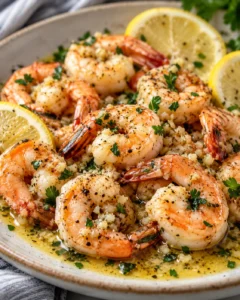
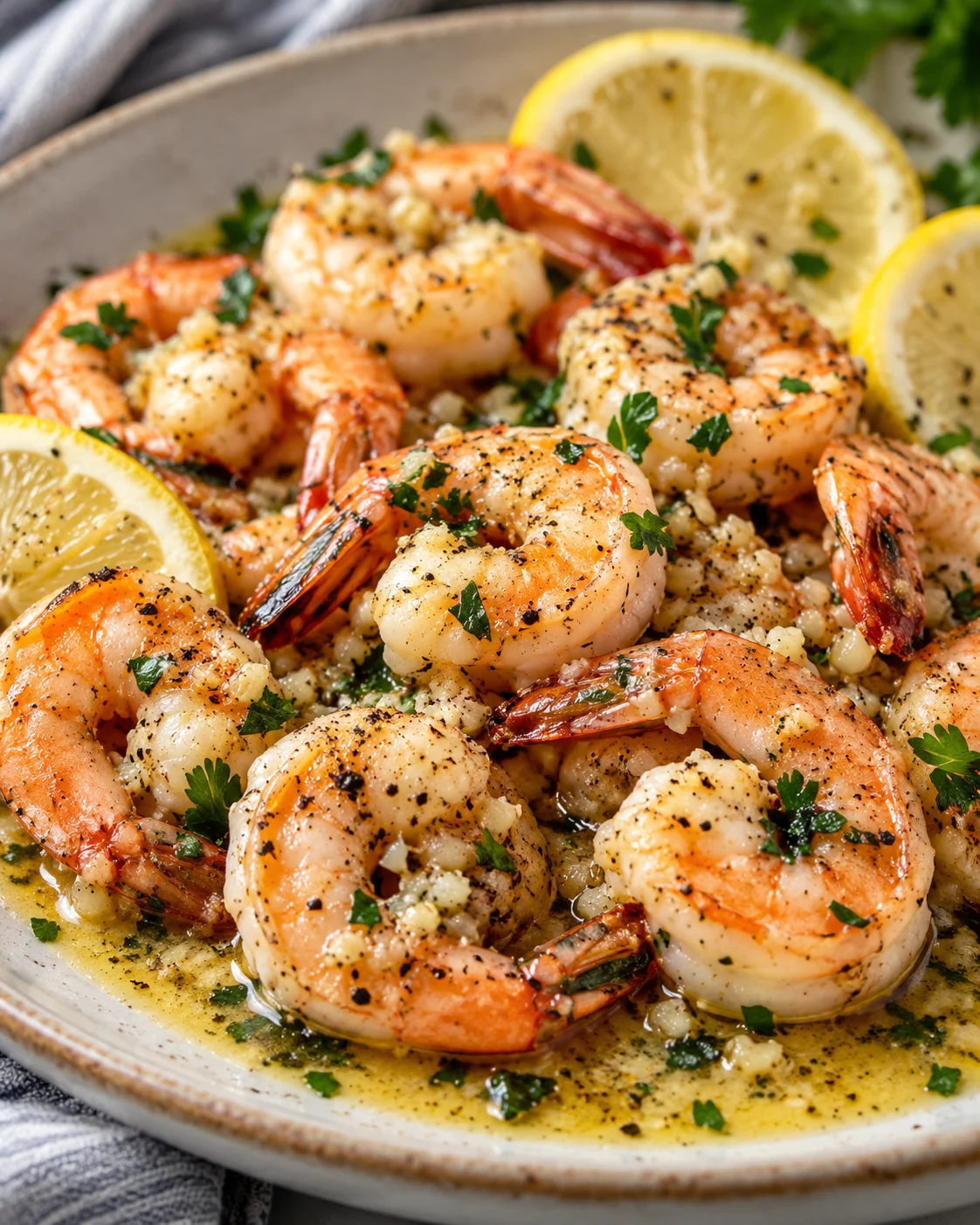
This easy garlic shrimp recipe is the kind of dinner that makes a busy evening feel manageable. There is almost no planning involved: pick up raw shrimp, add a few dependable ingredients, and let a skillet do the work. The shrimp cook in 15 minutes or less, with lemon slices, minced garlic, butter, olive oil, and a little crushed red pepper building a sauce that is bright, savory, and just a bit spicy.
The order is simple and intentional. The shrimp cook in a large skillet over medium heat with the first portion of butter and the olive oil. Lemon slices, garlic, and red pepper flakes go into the pan with them. Once the shrimp turn pink and opaque, remove the skillet from the heat and stir in the remaining butter, lemon juice, and a splash of liquid to finish the sauce.
Use medium shrimp that are peeled and deveined when possible, and make sure they are raw rather than pre-cooked. Serve the finished shrimp straight from the pan, or pair them with buttery noodles, simple mashed potatoes, or a big loaf of crusty bread to catch the lemon garlic butter.
Why You Will Love This Recipe
- It is ready in 15 minutes or less. The recipe needs only a short ingredient list and one large skillet. The listed prep time is 5 minutes, and the total time is 15 minutes, with no long marinade or complicated setup.
- The sauce uses familiar ingredients. Butter gives the sauce richness, extra-virgin olive oil starts the skillet, lemon adds brightness, and garlic brings savory flavor. Dry white wine, water, chicken broth, or seafood stock supplies the liquid that helps the butter become a luscious pan sauce.
- The shrimp have a clear doneness cue. Shrimp cook quickly. Once they turn pink and opaque, they are ready to eat. Watching that cue helps you avoid the rubbery texture that can come from cooking shrimp too long.
- The spice level is easy to adjust. Crushed red pepper flakes add a little kick. If you prefer everything super-mild, season with salt and pepper instead.
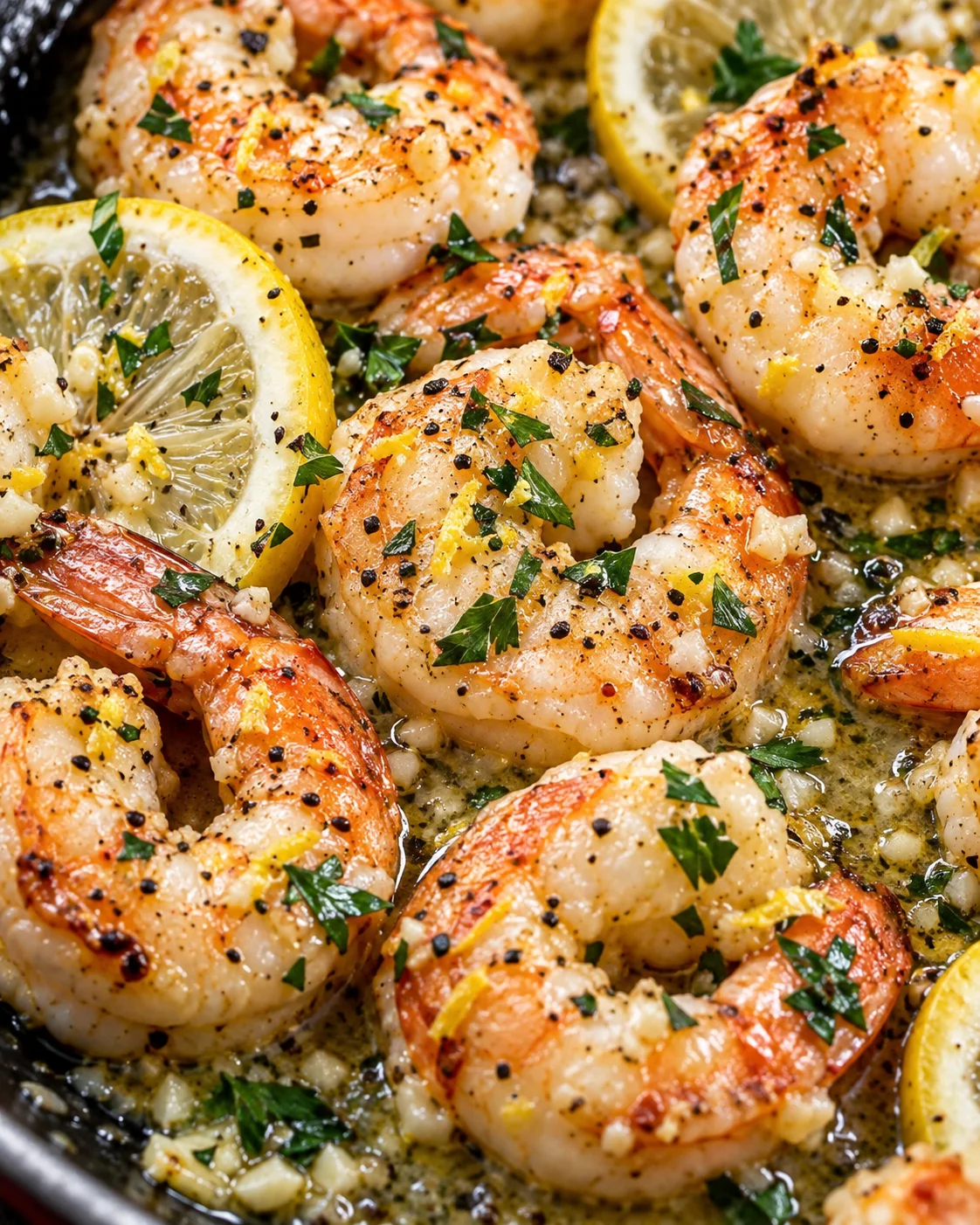
- The recipe works for different serving styles. Leave the tails on for a beautiful presentation and an easy way to grab the shrimp, or remove the last piece of shell before cooking for easier eating. Serve the shrimp directly from the skillet or build a fuller meal with noodles, mashed potatoes, or crusty bread.
Ingredients
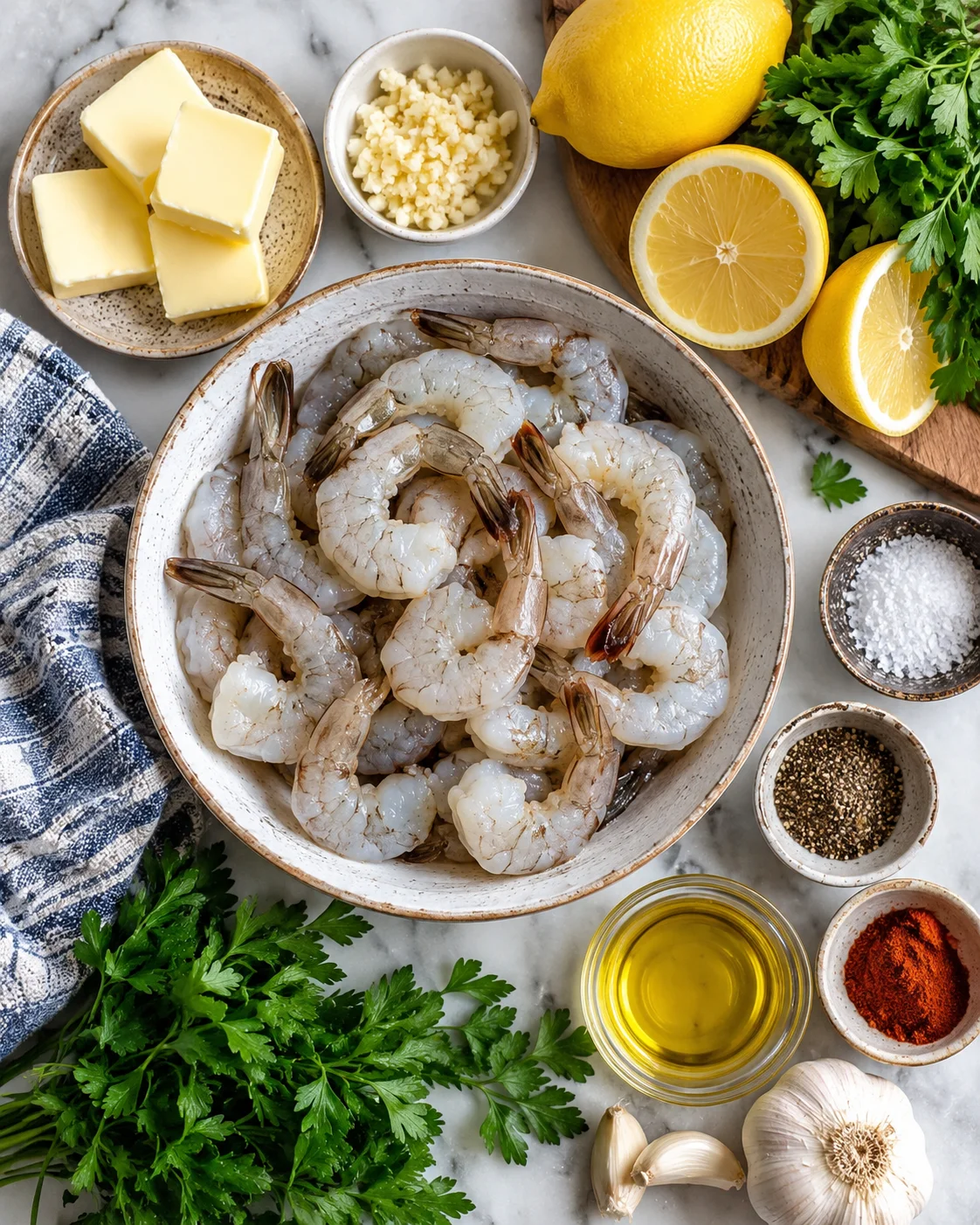
This recipe yields 4 servings. Gather everything before you turn on the skillet because shrimp and sauce come together quickly. The butter is divided so some cooks with the shrimp and the rest melts into the sauce at the end.
- 2 tablespoons butter, divided: Use 1 tablespoon in the skillet and reserve 1 tablespoon for finishing the sauce.
- 1 tablespoon extra-virgin olive oil: Melt it with the first tablespoon of butter.
- 1 pound medium shrimp, peeled and deveined: Choose raw shrimp, not pre-cooked shrimp. Peeled and deveined shrimp keep the prep quick.
- 1 lemon, thinly sliced, plus the juice of 1 lemon: Cook the slices with the shrimp and stir the juice in at the end.
- 3 cloves garlic, minced: Add it directly to the skillet with the shrimp and lemon.
- 1 teaspoon crushed red pepper flakes: Use this for a little heat, or choose salt and pepper instead for a very mild version.
- Kosher salt: Season the shrimp and add more to taste when the sauce is finished.
- 2 tablespoons dry white wine or water: Chicken broth or seafood stock can also be used instead.
- Fresh parsley, chopped, for garnish: Scatter it over the shrimp before serving.
Choosing and preparing the shrimp
Fresh shrimp are the first choice when they are available and you want to save time. Frozen shrimp are a good alternative if you can allow time for them to thaw; they thaw quickly under cold running water. Whichever you choose, thaw frozen shrimp before cooking and use raw shrimp rather than pre-cooked shrimp. Cooking pre-cooked shrimp can lead to a rubbery result.
Peeled and deveined shrimp are the most convenient option. If the vein is still present, use a paring knife to make a shallow cut down the back of the shrimp, exposing the vein. Lift it out with the knife, rinse the knife in a small bowl of water to keep it clean, and repeat. Leaving the tails on makes a pretty presentation and gives you an easy way to grab the shrimp. Removing the final piece of shell makes them easier to eat in one bite.
Timing: Plan on 5 minutes of prep and 15 minutes total. The shrimp need only a few minutes in the skillet, so have the butter, oil, lemon, garlic, seasoning, liquid, and parsley ready before you begin.
Instructions
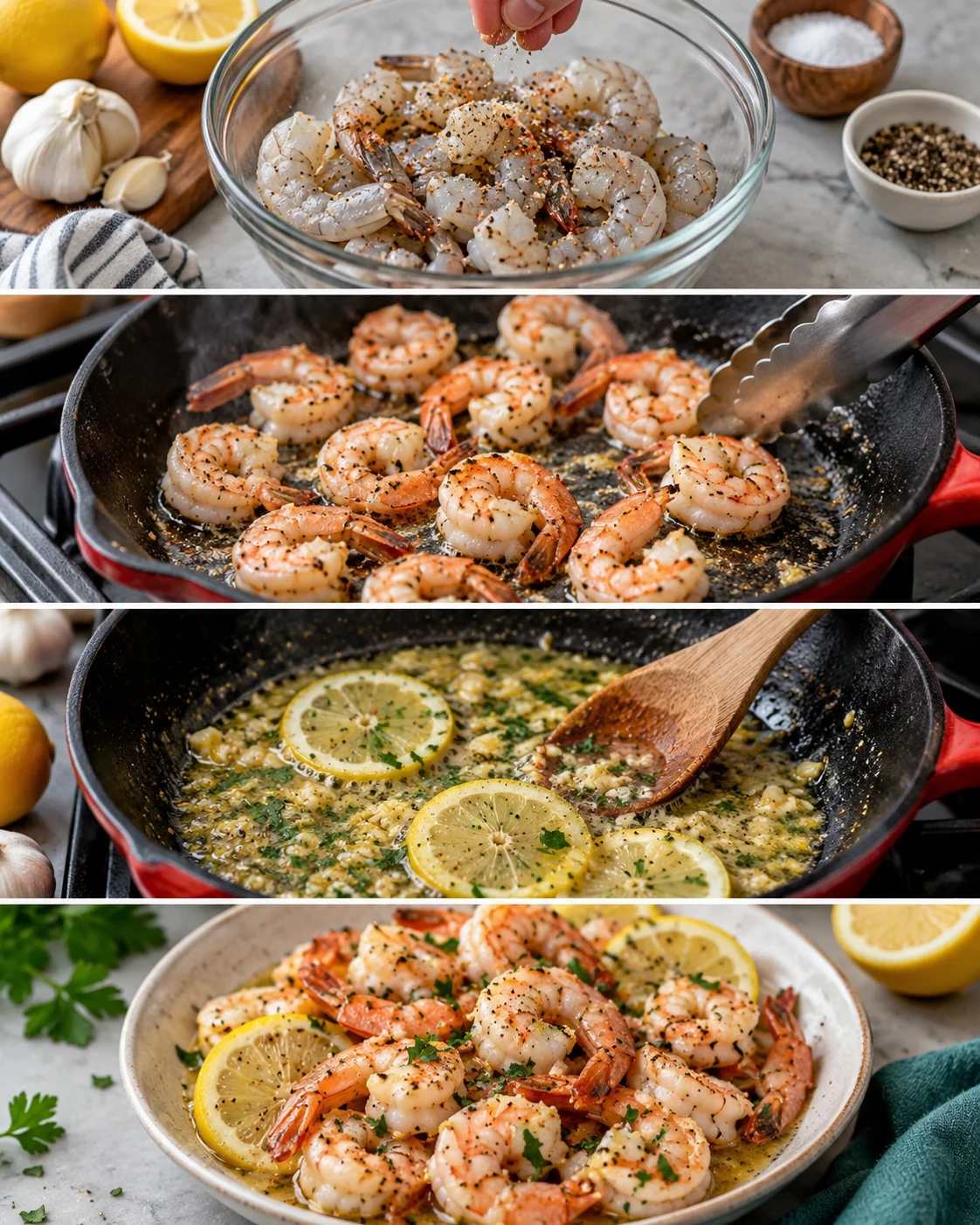
- Warm the skillet. Set a large skillet over medium heat. This recipe is not looking for a char, so medium heat is the right starting point. If the shrimp cannot fit in a single layer, plan to work in batches.
- Start the butter and oil. Melt 1 tablespoon of the butter with the extra-virgin olive oil in the skillet. Keep the remaining tablespoon of butter aside for the finishing sauce.
- Add the shrimp and seasonings. Put the raw, peeled, and deveined medium shrimp in the skillet. Add the thin lemon slices, minced garlic, and crushed red pepper flakes, then season with kosher salt. Arrange the shrimp in a single layer when possible. If they do not fit, cook in batches.
- Cook until pink and opaque. Stir occasionally as the shrimp cook. They should take about 3 minutes per side, but rely on the visual cue as well: the shrimp are ready when they turn pink and opaque. Shrimp go from perfectly cooked to overcooked quickly, so do not leave them on the heat after they reach that point.
- Finish the sauce off the heat. Remove the skillet from the heat. Stir in the remaining 1 tablespoon butter, the juice of 1 lemon, and the 2 tablespoons of dry white wine or water. Chicken broth or seafood stock can be used in place of the wine or water. The butter and liquid combine with the flavor already in the pan to make a rich, flavorful sauce.
- Season, garnish, and serve. Add more kosher salt to taste, then scatter chopped fresh parsley over the shrimp. Serve immediately with the lemon slices and pan sauce. You can eat the shrimp straight from the skillet, or transfer them to plates and spoon the sauce over the top.
Tips
- Buy raw shrimp. Pre-cooked shrimp need only to be warmed, and cooking them through this method can make them rubbery.
- Choose peeled and deveined shrimp when possible. This keeps the recipe quick. If you need to devein them yourself, use a paring knife and a small bowl of water to rinse the knife between shrimp.
- Keep the heat moderate. Use a large skillet over medium heat. The recipe is designed to cook the shrimp and build a butter sauce, not to char them.
- Give the shrimp room. A single layer makes it easier to stir the shrimp and watch their color. If the skillet is too small, work in batches instead of crowding it.
- Use the clock as a guide. About 3 minutes per side is the approximate timing, but pink and opaque shrimp are the more important signal. Remove the skillet from the heat as soon as they reach that point.
- Have the finishing liquid ready. Measure the wine, water, chicken broth, or seafood stock before the shrimp go into the pan. The final steps move quickly once the shrimp are cooked.
- Keep the spice flexible. Red pepper flakes provide a little kick. For a super-mild skillet, season with salt and pepper instead.
Variations
The base method stays the same while a few built-in choices let you use what you have. Keep the shrimp raw, cook over medium heat, and use the pink-and-opaque cue regardless of which option you choose.
Use wine, water, or stock
If you have a leftover bottle of Chardonnay, dry white wine is a flavorful way to add the liquid called for at the end. If you do not have wine, use water, chicken broth, or seafood stock instead. The liquid joins the butter and the residual heat from the skillet to create the sauce.
Adjust the heat
Crushed red pepper flakes bring a little spice to the skillet. For a very mild dish, season with salt and pepper instead. The lemon, garlic, and butter remain the main flavor base.
Choose the tail presentation
Keep the tails on for a beautiful presentation and an easy way to pick up the shrimp. Remove the last piece of shell before cooking if you prefer shrimp that can be eaten more easily in one bite. Fresh or thawed frozen shrimp can both be used, and peeled and deveined shrimp are the simplest choice.
Storage
These shrimp are best served immediately, while they are warm and the sauce is freshly combined. If you have leftovers, place them in an airtight container and keep them in the refrigerator for up to 3 days.
Serving Suggestions
Serve the shrimp with the lemon slices and spoon the pan sauce over each portion. Chopped fresh parsley makes a simple garnish, and the shrimp can be eaten directly out of the pan for a casual meal or transferred to plates for serving.
Buttery noodles are a natural pairing because they give the sauce somewhere to go. Simple mashed potatoes are another good option for a comforting plate. If you want the easiest side, serve a big loaf of crusty bread and use it to enjoy the buttery liquid left in the skillet.
Frequently Asked Questions
What kind of shrimp should I buy?
Use medium raw shrimp, and choose peeled and deveined shrimp when possible. Medium shrimp suit the short skillet cooking time. Avoid pre-cooked shrimp because cooking them again can lead to a rubbery result.
Can I use frozen shrimp?
Yes. Frozen shrimp are a good alternative when you can allow time for thawing. They thaw quickly under cold running water. Once thawed, use them in the same way as fresh shrimp.
How do I devein shrimp?
Use a paring knife to make a shallow cut down the back of each shrimp, exposing the vein. Lift the vein out with the knife, rinse the knife in a small bowl of water to keep it clean, and repeat with the remaining shrimp.
Should I leave the tails on?
It is your choice. Tails make a beautiful presentation and provide an easy way to grab the shrimp. Removing the last piece of shell before cooking makes them easier to eat in one bite, including the option to enjoy two or three shrimp at once.
How long do I cook the shrimp?
Cook them for about 3 minutes per side, stirring occasionally, until they are pink and opaque. Shrimp need only a few minutes, and they can become rubbery if they stay over the heat too long.
How hot should the skillet be?
Use a large skillet over medium heat. This recipe is not looking for a char. If the shrimp do not fit in a single layer, work in batches so they can cook without crowding.
Do I need to use white wine?
No. Use 2 tablespoons of water, chicken broth, or seafood stock instead. The goal is to get liquid into the pan so it can combine with the remaining butter and the residual heat to make the sauce.
Is this recipe spicy?
There is a little kick from the crushed red pepper flakes, but the heat is easy to adjust. For a super-mild version, season with salt and pepper instead.
What should I do with leftovers?
Store leftover shrimp and sauce in an airtight container in the refrigerator for up to 3 days. The shrimp are best served immediately, so use the refrigerator guidance for any extra portions.