Delicious Seafood Pasta

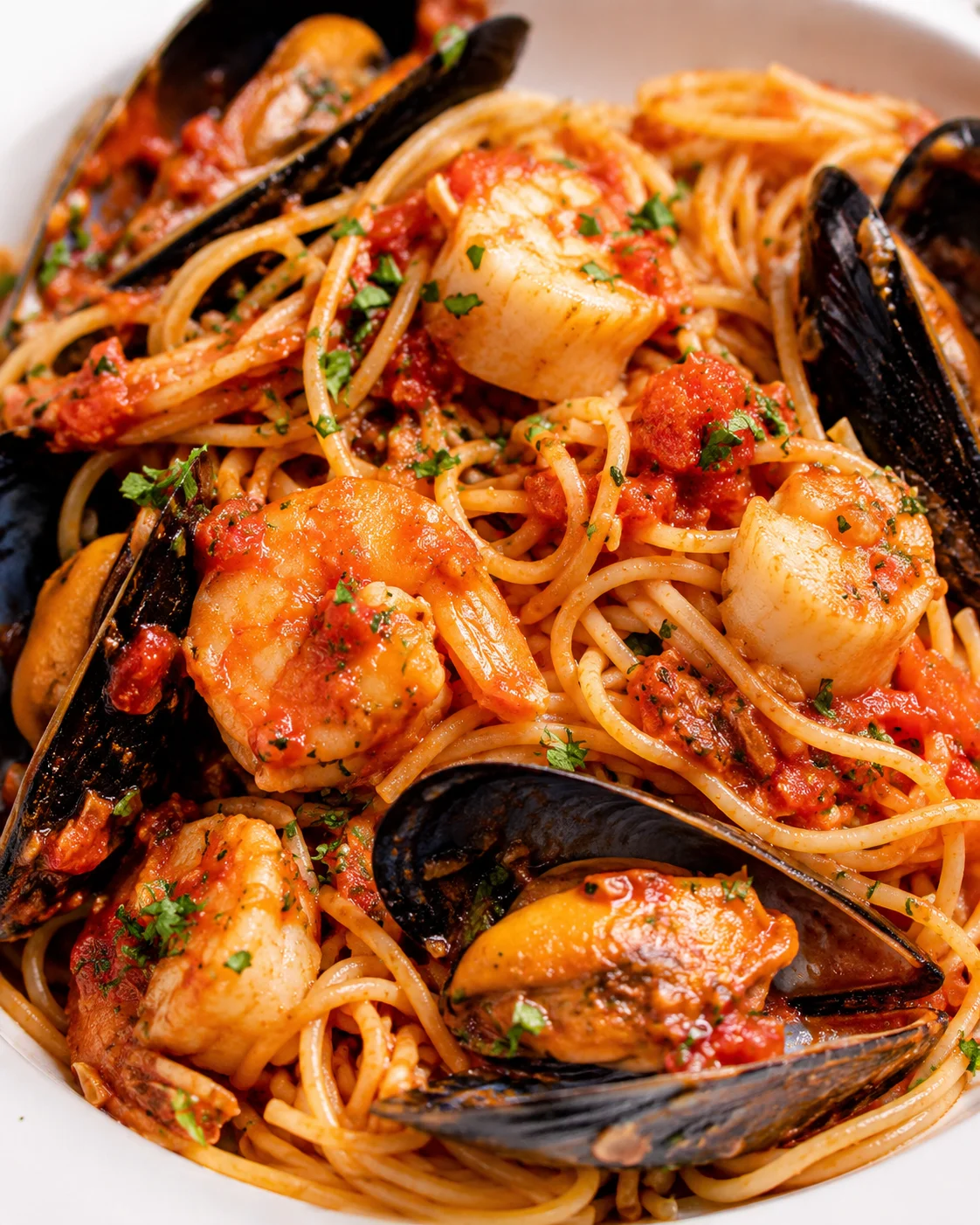
Seafood Pasta
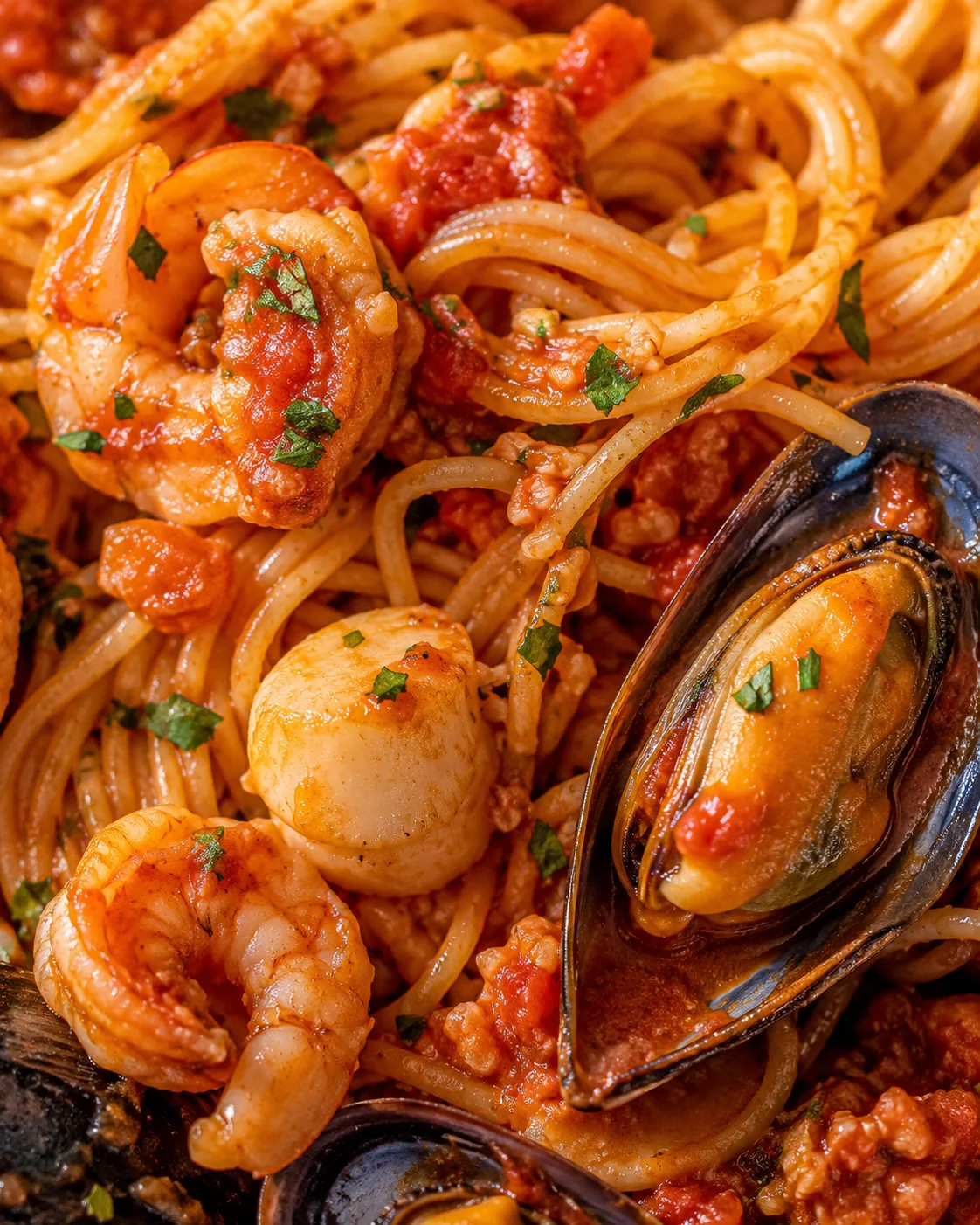
My seafood pasta recipe brings together perfectly cooked pasta with a rich, homemade red sauce and tender seafood. Using a frozen seafood blend makes this dish fancy and convenient—ideal for busy weeknights!
When I plan pasta night—which happens way more than I’d like to admit—I love finding new dishes that keep my family excited. They don’t expect seafood often, so when I add it, it’s always a little something special. This seafood pasta recipe features noodles cooked just right, swimming in a garlicky, wine-infused tomato sauce, with your favorite seafood tossed in for a delicious twist.
Back in culinary school, I learned that building flavor in layers is the secret to great seafood sauces. That’s why I always start by caramelizing tomato paste and deglazing with white wine. This technique makes a deep, rich base so the seafood’s delicate flavors shine through without taking over. After lots of testing, my top picks for seafood blends are shrimp and scallops for their texture, while mussels add that wow-factor appearance.
Seafood pasta is one of those meals that feels elegant without being complicated. Picture a hearty, garlicky tomato sauce with a splash of white wine, mixed with perfectly cooked seafood and al dente pasta. In this post, I’ll walk you through creating a restaurant-quality seafood pasta recipe in about 15 minutes — whether you’re using fresh seafood or a handy frozen blend.
This recipe keeps things simple but flavorful, showing you how to develop those deep layers of taste by caramelizing tomato paste and deglazing with wine. You’ll get clear instructions to help keep your shrimp, scallops, and mussels tender and juicy. Plus, I’ve included step-by-step photos, a printable recipe card with exact ingredient amounts at the end, and plenty of swap ideas—from a buttery scampi sauce to a tomato-cream rosa—that let you customize the dish to your pantry and taste.
- Ready in about 15 minutes and serves 6 — perfect for busy weeknights or an easy date-night dinner.
- Frozen seafood works great (no need to thaw before adding to the sauce).
- Scroll down for the full recipe, expert tips, storage advice, and variations so you can tailor it to your kitchen.
What Makes It Special
I turn to this seafood pasta recipe whenever I want something that feels a little special but doesn’t take over my whole evening. It strikes the perfect balance between quick, weeknight-friendly cooking and that rich, fresh-from-a-restaurant flavor — here’s why it’s a winner every time.
- Fast but fancy. On the table in about 15 minutes, making it great for last-minute dinners, yet it feels special with its wine-kissed tomato sauce and juicy seafood.
- Frozen or fresh seafood. I mainly use frozen seafood blends, and they turn out beautifully — so no hunting for fresh fish necessary.
- Layered, restaurant-quality flavor. Simple tricks like caramelizing tomato paste and adding dry white wine build a deep sauce that highlights the seafood perfectly.
- Reliable, tender seafood texture. Shrimp, scallops, and mussels maintain their tenderness and look impressive with quick cooking every time.
- Flexible and adaptable. Easily swap in different sauces like scampi or rosa, pick your favorite pasta shape, or mix in veggies and herbs for your family’s taste.
- Make-ahead friendly. Whip up the tomato sauce up to two days ahead, so the final dish comes together practically in minutes.
- Convenient storage and leftovers. Keeps well in the fridge for two days, or freeze if needed, making it a great batch-cook option.
- Balanced and satisfying. Packed with protein and carbs, it’s filling on its own or pairs wonderfully with simple sides like garlic bread or roasted vegetables.
In a nutshell: this seafood pasta recipe is quick, flexible, delicious, and fancy enough for any night you want something a little extra.
- Use fresh or frozen seafood. I reach for fresh when I can get it, but frozen seafood blends are my go-to and work beautifully every time.
- Perfect for any occasion. Ready in just 15 minutes, this dish fits a casual weeknight or a special date night at home.
-
Packed with bold flavor. The rich tomato sauce with wine and garlic complements the seafood perfectly, striking the ideal balance of tastes.
Ingredients and Pantry Staples
- 16 ounces spaghetti uncooked
- 3 tablespoons olive oil
- 1 small onion sliced
- 5 cloves garlic minced
- 3 tablespoons tomato paste tomato concentrate
- 150 mls white wine or fish broth
- 2 cups tomato sauce passata
- 12 ounces mixed seafood * See notes
- 1/2 pound mussels
- 1/2 teaspoon salt
- 1/4 teaspoon pepper
- 2 tablespoons parsley finely chopped
Step-by-Step Method
- Bring a large pot of salted water to a boil and cook the spaghetti according to package instructions until al dente.
- Reserve some pasta cooking water, then drain the pasta.
- Heat olive oil in a large skillet over medium-high heat.
- Add sliced onion and cook until soft and translucent.
- Add minced garlic and cook 1–2 minutes until fragrant.
- Stir in tomato paste and cook 2 minutes to caramelize.
- Pour in white wine and simmer until the alcohol smell has cooked off.
- Add tomato puree, salt, pepper, and half the chopped parsley; simmer gently and taste to adjust seasoning.
-
Stir in the seafood blend and mussels (add frozen seafood straight from frozen if using) and cook 3–5 minutes until mussels open and shrimp turn opaque.
- Add the drained pasta to the sauce and toss to coat, adding reserved pasta water as needed to loosen the sauce.
- Sprinkle the remaining parsley on top and serve immediately.
Chef Tips and Shortcuts
- Make the sauce ahead. When time is tight, prepare the sauce up to two days in advance and refrigerate. It actually tastes better as the flavors deepen!
- Discard unopened shells. This is a key food safety rule from culinary school — unopened mussels or clams should be tossed as they’re likely dead.
- Add veggies. Mix in spinach, diced tomatoes, mushrooms, capers, or chopped olives to bulk it up and add fresh flavors.
- Switch up seasonings. Try Italian herbs or Cajun spice blends for a flavor twist.
- Garnish beautifully. Finish with a lemon wedge and freshly grated Parmesan or Pecorino cheese for that perfect finishing touch.
Flavor Variations and Swaps
Want to customize this seafood pasta recipe? Here are some simple swaps and add-ins for different flavors or to use what you have:
- Seafood blends: Mix shrimp, scallops, mussels, calamari, or firm white fish chunks like cod or haddock. Avoid small shellfish like clams as they toughen more quickly.
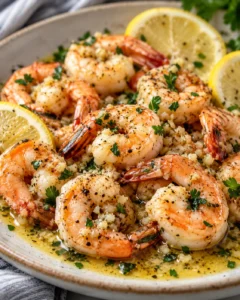
- Butter-wine (scampi) sauce: Skip the tomato sauce and finish with garlic, white wine, butter, lemon juice, and parsley for a classic scampi pasta.
- Tomato-cream (rosa) sauce: Stir in about ½ cup heavy cream or crème fraîche at the end for a silky, richer sauce that still pairs beautifully with seafood.
- Spicy kick: Add red pepper flakes, cayenne, or Cajun seasoning while cooking the sauce for a little heat and extra depth.
- Vegetarian option: Swap seafood for roasted mushrooms, artichokes, and white beans, but keep the same sauce and pasta method.
- Pasta swaps: Use linguine, tagliatelle, or bucatini for long noodles. Penne or rigatoni works well for short shapes. Gluten-free and whole-wheat pastas also work fine—just adjust cooking times.
- Wine and broth swaps: Use chicken or fish broth if you prefer alcohol-free cooking, or substitute dry vermouth for white wine.
- Herbs and garnishes: Try basil, dill, or cilantro instead of parsley; finish with lemon zest, toasted breadcrumbs, or sprinkle with Pecorino or Parmesan cheeses.
- Richer finish: Add a pat of butter at the end or finish with grated hard cheese for extra richness.
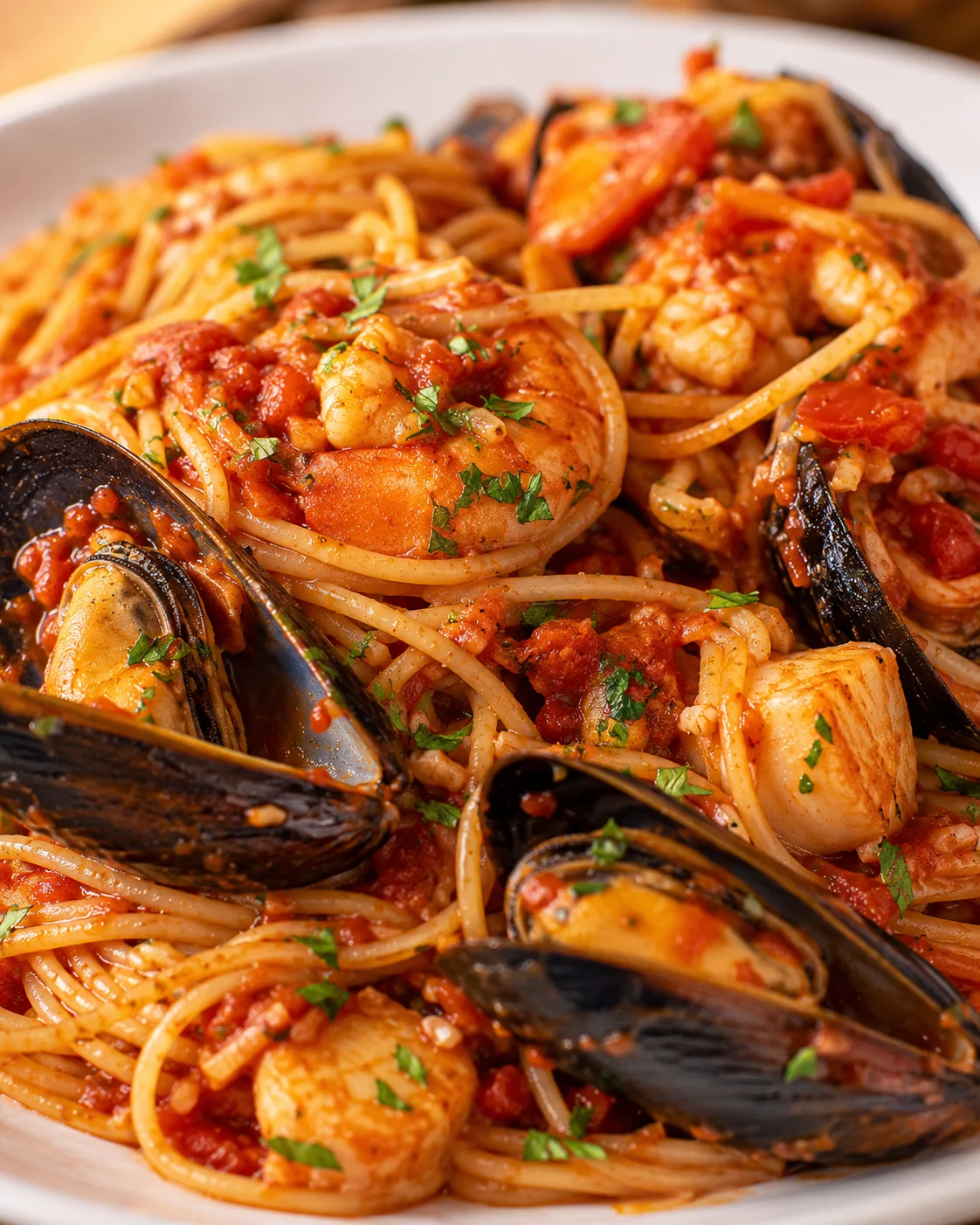
- Presentation upgrade: For a restaurant vibe, top servings with seared scallops or arrange mussels in their shells right on the pasta.
Storage and Reheating
To store: Keep leftover seafood pasta in an airtight container in the fridge, and use within two days for the best taste and texture.
To freeze: You can freeze seafood pasta for up to two months. Longer than that, and the seafood texture might decline.
Reheating: Warm gently on the stovetop over medium heat with a splash of water for steam, or microwave in 30-second bursts until hot. Stir occasionally to reheat evenly.
Common Questions Answered
How can I make seafood pasta less fishy?
Rinse your seafood under cold water before cooking and add a squeeze of fresh lemon juice to the sauce. These simple tricks go a long way to brighten flavors and cut down any fishy notes.
Can I use frozen seafood?
Absolutely! Frozen seafood works wonderfully here. There’s no need to thaw it beforehand—just add it straight into the sauce and cook until opaque and the mussels open.
What pasta works best for seafood pasta?
I love long noodles like spaghetti or tagliatelle because they hold onto the sauce beautifully. But penne, rigatoni, or other short shapes work great too if that’s what you have in your pantry.
Notes
- Mixed seafood medley: Choose any fresh or frozen seafood blend featuring shrimp, mussels, and ideally scallops for the best flavor and texture.
TO STORE: Keep leftovers in an airtight container in the fridge for up to 2 days.
TO REHEAT: Warm gently on the stovetop over low-medium heat with a splash of water to steam and keep the pasta moist.