Garlic Butter Shrimp (Easy Shrimp Scampi)

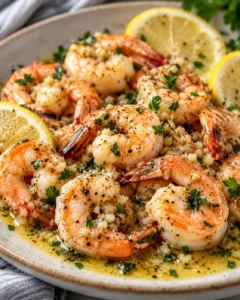
This garlic butter shrimp recipe brings together tender shrimp, plenty of garlic, bright lemon juice, and a buttery white wine sauce in just 20 minutes. It is the kind of seafood dinner that feels special without requiring a long ingredient list or a complicated method. The sauce is rich and velvety, while lemon and parsley keep the finished dish fresh.
This is an easy shrimp scampi with a practical weeknight rhythm: prepare the ingredients first, cook the shrimp briefly, let the wine bubble, and finish the sauce off the heat. Serve it as a main course over pasta, with another favorite starch, or as an appetizer with bread for soaking up every drop.
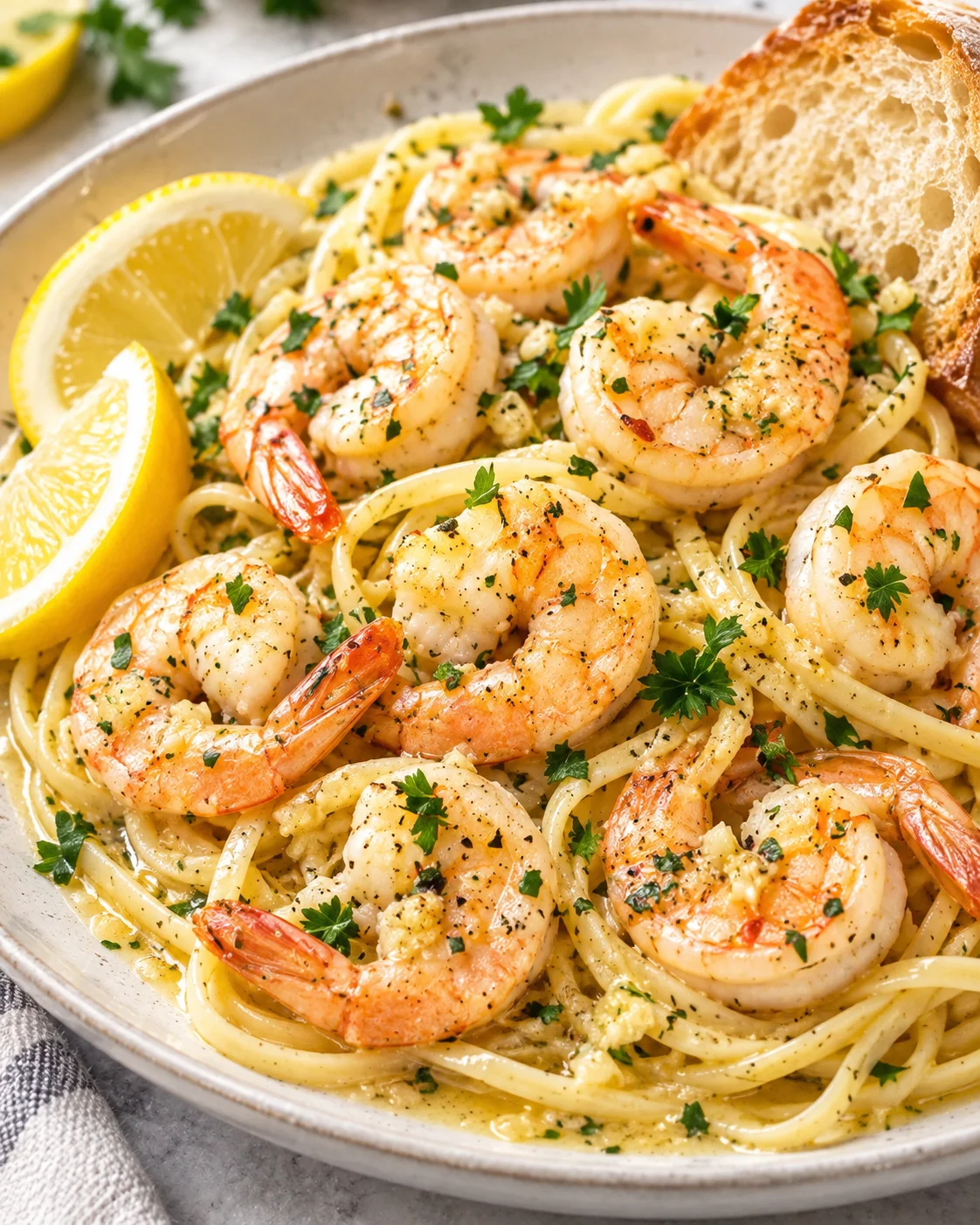
Why You Will Love This Garlic Butter Shrimp
There is a reason shrimp scampi remains such a useful dinner recipe. A few everyday ingredients create a sauce with a luxurious texture and a balanced flavor. Butter provides the velvety base, garlic brings savory depth, lemon adds brightness, white wine contributes a light, decadent note, and parsley finishes everything with a burst of freshness. Red pepper flakes are optional, but they add a gentle layer of warmth without making the dish particularly spicy.
The cooking is quick because extra-large shrimp need only about one minute per side before the sauce is finished. The entire recipe takes 10 minutes to prepare and 10 minutes to cook, for a 20-minute meal that serves four. It can be plated as a main dish or arranged as an appetizer, and the buttery sauce gives pasta, potatoes, risotto, or crusty bread something delicious to carry.
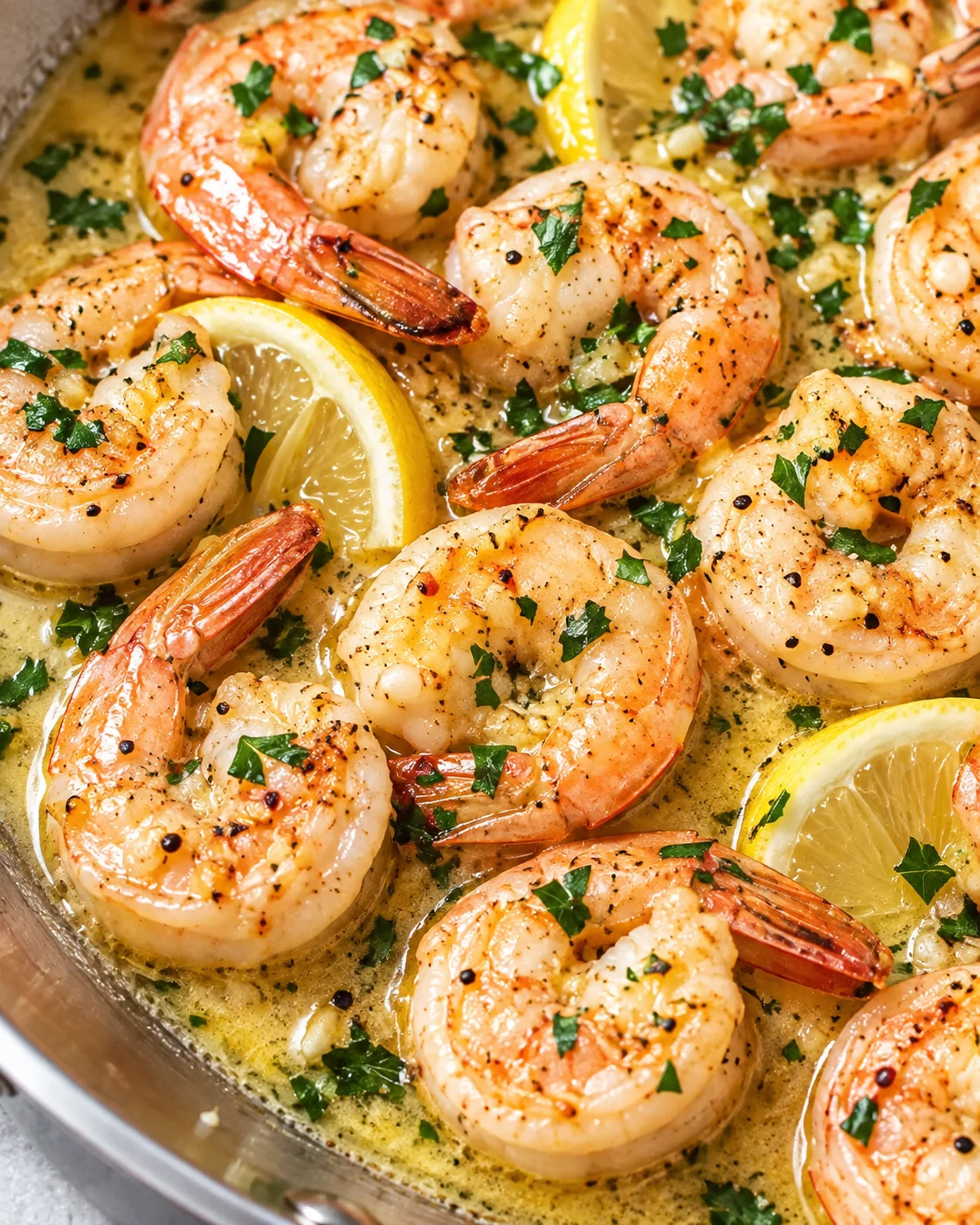
What Does Scampi Mean?
In Italian, scampi refers to a crustacean in the lobster family called langoustine, which can be found in Mediterranean waters. In cooking, the word also describes a preparation style centered on sautéing with garlic and butter. American shrimp scampi is shrimp cooked in that style. Early Italian immigrants in the United States did not have access to the same scampi, so shrimp became the practical substitute for the dish.
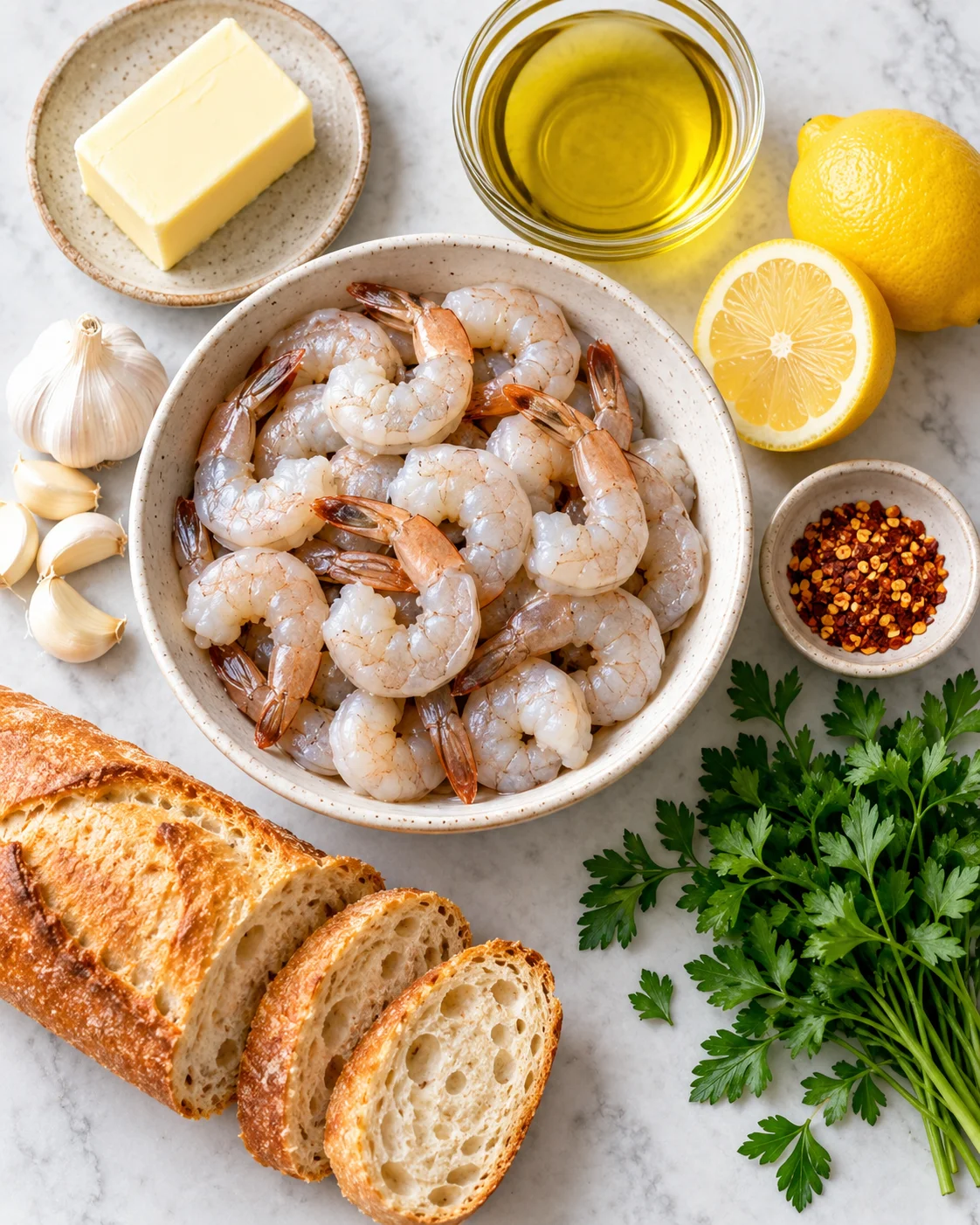
Ingredients
- 1 pound uncooked extra-large shrimp, 26–30 per pound, thawed and peeled. Smaller shrimp can work, but they will need less cooking time. Tails are optional.
- 1/2 cup butter, or 1 stick, divided. Half starts the pan sauce and the remaining half makes the finished sauce smooth and rich.
- 6 cloves garlic, minced. Fresh garlic gives the shrimp its concentrated savory flavor.
- 1/2 teaspoon red pepper flakes, optional. They add gentle warmth and another layer of flavor rather than pronounced heat.
- 1/4 cup dry white wine or chicken broth. Pinot grigio, sauvignon blanc, or chardonnay are good wine choices. Use a wine you would enjoy drinking, not cooking wine.
- 1 tablespoon freshly squeezed lemon juice. Fresh lemon gives the sauce its brightest flavor.
- 1 tablespoon chopped fresh parsley. Add it at the end for freshness.
- Salt and pepper, to taste.
A skillet and cooking tongs are the main tools needed. Tongs make it easy to turn the shrimp quickly without breaking them. A garlic press can speed up the garlic preparation, and a Microplane zester/grater is useful if you want to add lemon zest for even more citrus flavor.
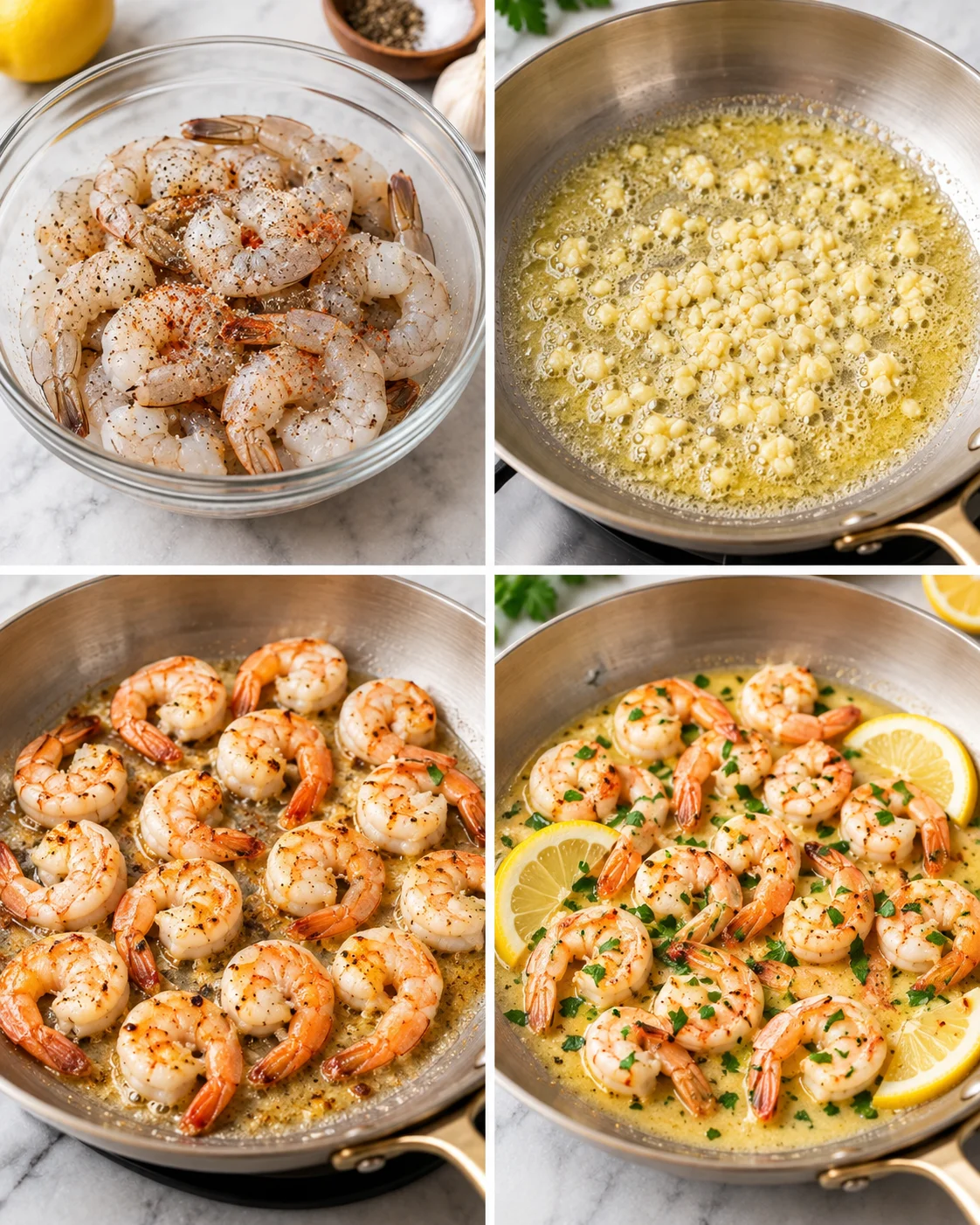
How to Make Garlic Butter Shrimp
- Thaw and prepare the shrimp. If the shrimp are frozen, place them in a colander and run cool water over them until thawed. Peel them if needed, and decide whether to leave the tails on. If you want to devein large shrimp, make a shallow cut along the back and use the tip of a knife to remove the vein. Pat the shrimp dry if they are very wet. Because this recipe moves quickly, prepare the garlic, pepper flakes, wine or broth, lemon juice, parsley, salt, and pepper before you begin cooking.
- Melt half of the butter. Put a skillet over medium heat and melt 1/4 cup of the divided butter.
- Cook the shrimp briefly. Add the shrimp to the skillet and cook for 1 minute on each side. Use tongs to turn them quickly. They should be pink when done. Avoid leaving them in the pan longer than needed, because shrimp are easy to overcook and will continue cooking a little after the pan comes off the heat.
- Add the garlic and red pepper flakes. Stir them into the skillet and cook for about 30 seconds, just until the garlic is fragrant. The short cooking time keeps the garlic from becoming harsh or burned.
- Bubble the wine. Pour in the dry white wine, or the chicken broth if using it instead. Let it bubble for 2 minutes so it can mingle with the butter and garlic.
- Finish the sauce off the heat. Add the remaining 1/4 cup butter, lemon juice, and parsley. Once the butter melts, stir the sauce, remove the skillet from the heat, and season with salt and pepper as needed.
- Serve immediately. Spoon the shrimp and sauce over your chosen accompaniment, or transfer them to a serving dish for an appetizer. The sauce is at its best while warm and fluid.
Tips for Success
Choose the shrimp size carefully
The recipe is written for extra-large 26–30 shrimp per pound. Different sizes are fine, but cooking time may need a small adjustment when the shrimp are much smaller or much larger. Smaller shrimp generally need less time. Watch the shrimp rather than relying only on the clock: pink color is the source-supported doneness cue, and the shrimp should not sit in the hot skillet after they are ready.
Use uncooked shrimp
Uncooked shrimp are recommended because they cook quickly alongside the sauce. Already cooked shrimp can become rubbery when they are heated a second time, so they are not the best choice for this method.
Decide whether to devein
Deveining is optional, and eating shrimp without deveining them is fine. With larger shrimp, the vein is more noticeable, so you may prefer to remove it. Make a shallow cut along the back and lift out the vein with the tip of a knife. Taking care of this step before the skillet is hot keeps the cooking process smooth.
Do the prep before turning on the heat
Garlic butter shrimp cooks quickly, especially once the shrimp enter the pan. Measure the wine or broth, squeeze the lemon, chop the parsley, and have the remaining butter ready before you start. This lets you add each ingredient at the right time instead of overcooking the shrimp while you search for the next one.
Keep an eye on the finish
As soon as the butter melts into the lemon, garlic, and wine mixture, take the skillet off the heat. Season at the end, then serve. The shrimp will retain more of their tender texture when the pan is not left over a hot burner while the table is being set.
Variations and Substitutions
- Leave out the red pepper flakes if you prefer no warmth. The dish is still flavorful without them.
- Add Italian seasoning for a more herby direction. Stir in a dash or two of dried Italian seasoning at the same time as the garlic.
- Use chicken broth instead of wine when needed. White wine adds a decadent quality, while broth provides the liquid needed to make the sauce.
- Keep or remove the tails. Tails make appetizer portions easier to grab, but they can be removed when you want a fork-ready main dish.
- Add lemon zest. A little freshly grated zest gives the finished sauce another layer of citrus flavor. A Microplane works well for this.
Storage, Reheating, and Freezing
Like most seafood dishes, garlic butter shrimp is best freshly made. Leftovers can be kept in an airtight container in the refrigerator for a couple of days. Reheat them very slowly in a small saucepan over low heat until warmed through. Take care not to overcook the shrimp while reheating.
Freezing leftover shrimp scampi is not recommended. The shrimp and buttery sauce are better enjoyed within the short refrigerator storage window rather than frozen for later.
What to Serve with Garlic Butter Shrimp
For a traditional pairing, serve the shrimp and sauce over linguine. Angel hair is another classic choice and works well with the light, buttery sauce. Mashed potatoes or simple risotto also provide a satisfying starch for the sauce.
Crusty bread is another excellent option, especially when the shrimp are served as an appetizer. Lightly toast a baguette or another fresh crusty loaf, then use it to mop up the sauce. For a light meal, pair the shrimp with a salad such as Parmesan arugula salad. A glass of rosé or prosecco also fits the meal.
Frequently Asked Questions
Can I use frozen shrimp?
Yes. Most shrimp are sold frozen, and even shrimp at many grocery-store fish counters have often been frozen and thawed. Run frozen shrimp under cool water in a colander until thawed, then prepare them before cooking.
Can I use smaller shrimp?
Yes, but smaller shrimp cook more quickly than the extra-large 26–30 shrimp per pound used in this recipe. Adjust the cooking time as needed and use their pink color and tender appearance as cues.
Should I leave the tails on?
Either choice works. Tails can make appetizer portions easier to pick up, while removing them makes the shrimp easier to eat over pasta or another starch.
Is shrimp scampi spicy?
The red pepper flakes provide a slight kick, but the recipe is not particularly spicy as written. Omit them if you prefer, or keep them for a gentle layer of warmth.
Can I use cooked shrimp?
Uncooked shrimp are the better choice for this recipe. Already cooked shrimp may become rubbery when cooked again, so starting with raw shrimp gives you more control over the final texture.
What does the sauce taste like?
The sauce is buttery and savory, with fresh garlic, bright lemon, parsley, and a light wine note. Red pepper flakes add gentle warmth when included. It is especially good with pasta, bread, or another starch that can carry the sauce.